

Trong ngành kinh doanh dịch vụ lưu trú, việc tối ưu hóa công suất phòng luôn là bài toán sống còn của các nhà quản lý. Làm thế nào để không bỏ trống phòng vào mùa thấp điểm nhưng cũng không rơi vào tình trạng quá tải, hủy phòng vào mùa cao điểm? Câu trả lời nằm ở quy trình quản lý tồn phòng khách sạn hiệu quả. Bài viết này sẽ chia sẻ những bí quyết, chiến lược và giải pháp công nghệ giúp bạn làm chủ lượng phòng trống, từ đó bứt phá doanh thu mạnh mẽ.
Tồn phòng khách sạn là gì và tại sao cần quản lý hiệu quả?
Tồn phòng khách sạn (Room Inventory) được hiểu là số lượng phòng trống thực tế mà khách sạn đang có sẵn để bán cho khách hàng trong một khoảng thời gian cụ thể. Khác với các sản phẩm vật lý có thể lưu kho, tồn phòng khách sạn là một loại "hàng hóa đặc biệt" có tính hao mòn theo thời gian. Nếu một phòng không được bán vào ngày hôm nay, doanh thu của ngày hôm đó sẽ vĩnh viễn mất đi.
Việc quản lý tồn phòng khách sạn hiệu quả mang lại nhiều lợi ích cốt lõi:
- Tối đa hóa doanh thu (RevPAR): Đảm bảo phòng luôn được bán với mức giá tối ưu nhất dựa trên nhu cầu thị trường.
- Tránh tình trạng Overbooking: Hạn chế tối đa việc bán quá số phòng thực tế, gây ảnh hưởng nghiêm trọng đến uy tín của khách sạn.
- Tiết kiệm thời gian và nhân lực: Giảm thiểu các thao tác thủ công, giúp nhân viên tập trung vào việc chăm sóc khách hàng.
- Nâng cao trải nghiệm khách hàng: Đảm bảo thông tin phòng trống luôn chính xác, giúp quá trình đặt phòng diễn ra nhanh chóng và thuận lợi.
Những thách thức lớn trong quản lý tồn phòng khách sạn hiện nay
Nhiều khách sạn, đặc biệt là các khách sạn quy mô vừa và nhỏ, vẫn đang gặp rất nhiều khó khăn trong việc kiểm soát lượng phòng trống do các nguyên nhân sau:
- Cập nhật chậm trễ giữa các kênh: Khi có khách đặt phòng trên Agoda, nhân viên phải vào cập nhật thủ công trên Booking.com, Expedia... Sự chậm trễ này rất dễ dẫn đến tình trạng Overbooking.
- Sai sót do yếu tố con người: Việc ghi chép sổ sách hoặc sử dụng file Excel thủ công rất dễ dẫn đến nhầm lẫn, nhập sai số liệu phòng.
- Thiếu dữ liệu dự báo: Không có số liệu thống kê lịch sử đặt phòng để đưa ra dự báo chính xác về nhu cầu thị trường trong tương lai.
5 Cách quản lý tồn phòng khách sạn hiệu quả nhất
Để giải quyết triệt để những thách thức trên, các chủ khách sạn cần áp dụng các phương pháp quản lý thông minh và khoa học dưới đây:
1. Ứng dụng phần mềm quản lý khách sạn (PMS)
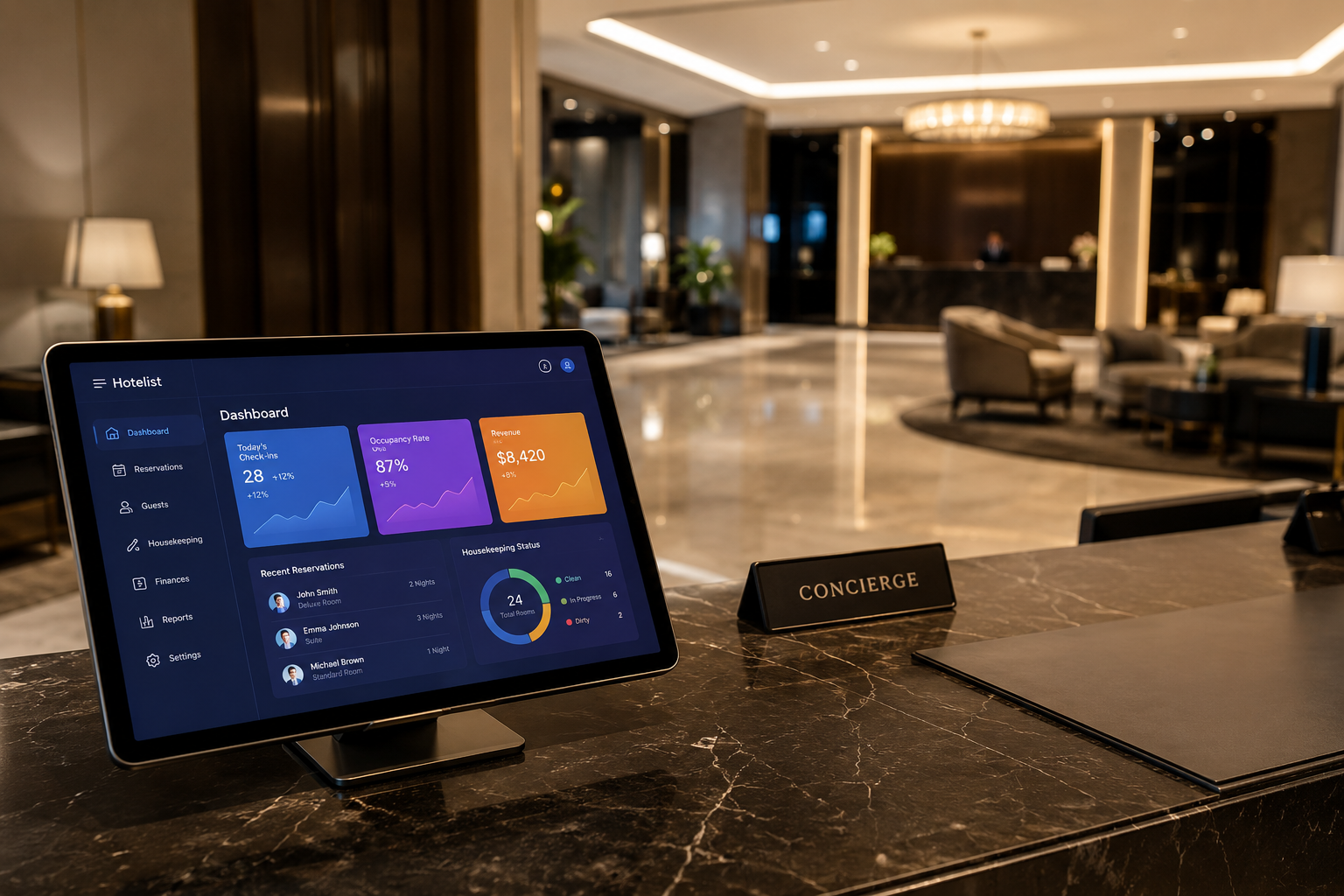
Phần mềm quản lý khách sạn (Property Management System - PMS) là nền tảng cốt lõi giúp bạn kiểm soát toàn bộ hoạt động vận hành. PMS giúp ghi nhận tức thời trạng thái phòng (phòng trống, phòng đang có khách, phòng đang dọn dẹp, phòng bảo trì). Mọi dữ liệu được lưu trữ tập trung, giúp các bộ phận lễ tân, buồng phòng và kinh doanh phối hợp nhịp nhàng, tránh sai sót thông tin.
2. Sử dụng hệ thống quản lý kênh phân phối (Channel Manager)
Nếu khách sạn của bạn đang bán phòng trên nhiều kênh OTA (Online Travel Agent) khác nhau, Channel Manager là công cụ bắt buộc phải có. Công cụ này giúp đồng bộ hóa số lượng tồn phòng theo thời gian thực (real-time). Khi có một lượt đặt phòng thành công trên một kênh bất kỳ, hệ thống sẽ tự động giảm số lượng phòng trống trên tất cả các kênh còn lại ngay lập tức. Đây là giải pháp tối ưu nhất để loại bỏ hoàn toàn rủi ro Overbooking.
3. Áp dụng chiến lược định giá động (Dynamic Pricing)
Quản lý tồn phòng không chỉ là đếm số phòng trống mà còn là bán phòng với mức giá phù hợp nhất. Hãy áp dụng chiến lược định giá động: tăng giá vào những ngày cao điểm, cuối tuần hoặc khi số lượng phòng trống còn ít; đồng thời giảm giá hoặc tạo combo ưu đãi vào mùa thấp điểm để kích cầu. Việc này giúp bạn tối ưu hóa doanh thu trên mỗi phòng có sẵn.
4. Kiểm soát tình trạng Overbooking một cách khoa học
Mặc dù Overbooking là rủi ro, nhưng trong ngành khách sạn, đôi khi đây lại là một chiến thuật được tính toán kỹ lưỡng để bù đắp cho lượng khách hủy phòng sát giờ (No-show). Tuy nhiên, để áp dụng chiến thuật này, bạn cần có dữ liệu lịch sử chi tiết về tỷ lệ hủy phòng trung bình của khách sạn. Chỉ nên cho phép bán vượt mức từ 1-3% và luôn có phương án dự phòng (liên kết với các khách sạn lân cận cùng phân khúc) để chuyển khách khi cần thiết.
5. Đào tạo đội ngũ nhân sự chuyên nghiệp
Công nghệ chỉ là công cụ hỗ trợ, yếu tố con người vẫn đóng vai trò quyết định. Hãy đảm bảo đội ngũ lễ tân và bộ phận đặt phòng được đào tạo bài bản về quy trình xử lý booking, cách sử dụng phần mềm và kỹ năng giải quyết tình huống khi xảy ra sự cố sai lệch phòng.
Bảng so sánh phương pháp quản lý tồn phòng thủ công và tự động
Dưới đây là bảng so sánh trực quan giúp bạn thấy rõ sự khác biệt giữa hai phương thức quản lý:
| Tiêu chí | Quản lý thủ công (Excel/Sổ sách) | Quản lý tự động (PMS & Channel Manager) |
|---|---|---|
| Tốc độ cập nhật | Chậm, phụ thuộc vào con người | Tức thời (Real-time), tự động 100% |
| Tỷ lệ sai sót | Cao (dễ nhầm lẫn, quên cập nhật) | Gần như bằng 0 |
| Rủi ro Overbooking | Rất cao, đặc biệt vào mùa cao điểm | Được kiểm soát tuyệt đối |
| Khả năng mở rộng kênh bán | Hạn chế (chỉ quản lý được 2-3 kênh) | Không giới hạn (đồng bộ hàng chục OTA) |
| Chi phí vận hành | Tốn nhiều thời gian và nhân lực | Tiết kiệm chi phí dài hạn, tối ưu nhân sự |
Câu hỏi thường gặp (FAQ) về quản lý tồn phòng khách sạn
Làm thế nào để xử lý khi khách sạn bị Overbooking đột xuất?
Khi xảy ra Overbooking, hãy giữ thái độ bình tĩnh và chuyên nghiệp. Đầu tiên, hãy kiểm tra xem có phòng nào chuẩn bị check-out sớm hoặc có thể nâng cấp hạng phòng miễn phí (Upgrade) cho khách hay không. Nếu hoàn toàn hết phòng, hãy chủ động liên hệ với khách sạn đối tác có chất lượng tương đương hoặc cao hơn để chuyển khách sang, đồng thời hỗ trợ chi phí di chuyển và tặng kèm một phần quà nhỏ (như voucher giảm giá cho lần sau) để xoa dịu khách hàng.
Khách sạn nhỏ (dưới 15 phòng) có cần dùng phần mềm quản lý tồn phòng không?
Câu trả lời là CÓ. Dù quy mô nhỏ, việc quản lý thủ công vẫn tốn nhiều thời gian và dễ xảy ra sai sót. Hiện nay có rất nhiều phần mềm PMS và Channel Manager được thiết kế riêng cho homestay, villa, khách sạn nhỏ với chi phí cực kỳ tiết kiệm. Đầu tư công nghệ sớm sẽ giúp bạn xây dựng quy trình vận hành chuyên nghiệp ngay từ đầu.
Làm sao để tối ưu tồn phòng vào mùa thấp điểm?
Vào mùa thấp điểm, bạn nên linh hoạt tạo ra các gói sản phẩm dịch vụ đi kèm (ví dụ: phòng ở kèm bữa ăn, dịch vụ spa, hoặc xe đưa đón sân bay). Ngoài ra, việc hợp tác với các doanh nghiệp để tổ chức hội thảo, sự kiện cũng là một cách hiệu quả để lấp đầy lượng phòng trống.
Kết luận
Tóm lại, quản lý tồn phòng khách sạn hiệu quả không chỉ giúp giảm thiểu rủi ro vận hành mà còn là chìa khóa vàng để gia tăng doanh thu tối đa. Việc chuyển đổi từ phương thức quản lý thủ công sang ứng dụng công nghệ như PMS và Channel Manager là xu hướng tất yếu giúp khách sạn của bạn nâng cao năng lực cạnh tranh trong thời đại số. Hãy bắt đầu tối ưu hóa quy trình quản lý tồn phòng của bạn ngay hôm nay để gặt hái những thành công vượt trội!