

Khái niệm Overbooking khách sạn là gì?
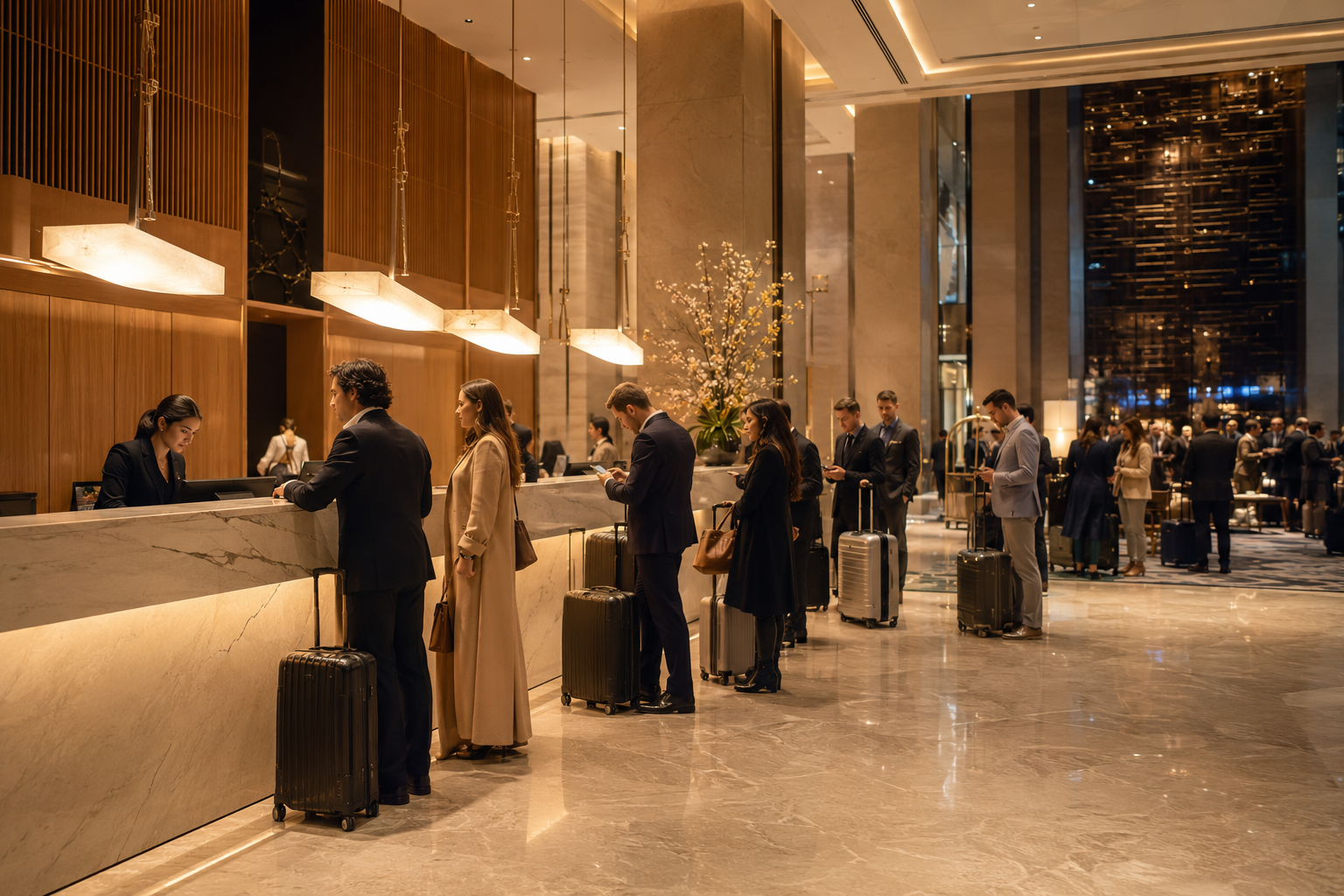
Trong ngành kinh doanh dịch vụ lưu trú, overbooking khách sạn (đặt phòng vượt mức) là tình trạng khách sạn xác nhận số lượng đơn đặt phòng nhiều hơn số lượng phòng thực tế mà họ có sẵn trong một khoảng thời gian cụ thể. Nói cách khác, khách sạn đang bán những căn phòng mà họ không thực sự có.
Nghe có vẻ phi lý và rủi ro, nhưng thực tế overbooking là một chiến lược quản trị doanh thu (Revenue Management) phổ biến được áp dụng rộng rãi từ các nhà nghỉ bình dân đến các chuỗi khách sạn 5 sao quốc tế. Vậy tại sao họ lại chấp nhận rủi ro này? Hãy cùng tìm hiểu chi tiết trong bài viết dưới đây.
Vì sao khách sạn bị overbooking? Những nguyên nhân phổ biến nhất
Tình trạng overbooking khách sạn không phải lúc nào cũng là do sai sót. Dưới đây là 4 nguyên nhân chính dẫn đến hiện tượng này:
1. Bù đắp tỷ lệ hủy phòng và khách không đến (No-show)
Đây là lý do quan trọng nhất khiến các nhà quản lý chủ động thực hiện overbooking. Theo thống kê, luôn có một tỷ lệ nhất định khách hàng sẽ hủy phòng vào phút chót hoặc đơn giản là không xuất hiện (no-show) dù đã đặt trước.
Nếu khách sạn chỉ bán đúng số phòng mình có, khi có khách hủy, khách sạn sẽ bị trống phòng và mất doanh thu. Bằng cách bán vượt mức dựa trên các dữ liệu lịch sử về tỷ lệ hủy, khách sạn hy vọng khi đến ngày nhận phòng, số lượng khách thực tế sẽ vừa khít với số phòng hiện có.
2. Tối đa hóa công suất phòng và lợi nhuận
Mục tiêu cuối cùng của kinh doanh khách sạn là đạt được công suất phòng 100%. Mỗi căn phòng trống sau một đêm là một khoản doanh thu mất đi vĩnh viễn và không thể lấy lại được. Overbooking giúp khách sạn đảm bảo rằng ngay cả khi có biến động về lượng khách, họ vẫn có cơ hội lấp đầy mọi vị trí, từ đó tối ưu hóa lợi nhuận ròng.
3. Lỗi kỹ thuật đồng bộ giữa các kênh phân phối (OTA)
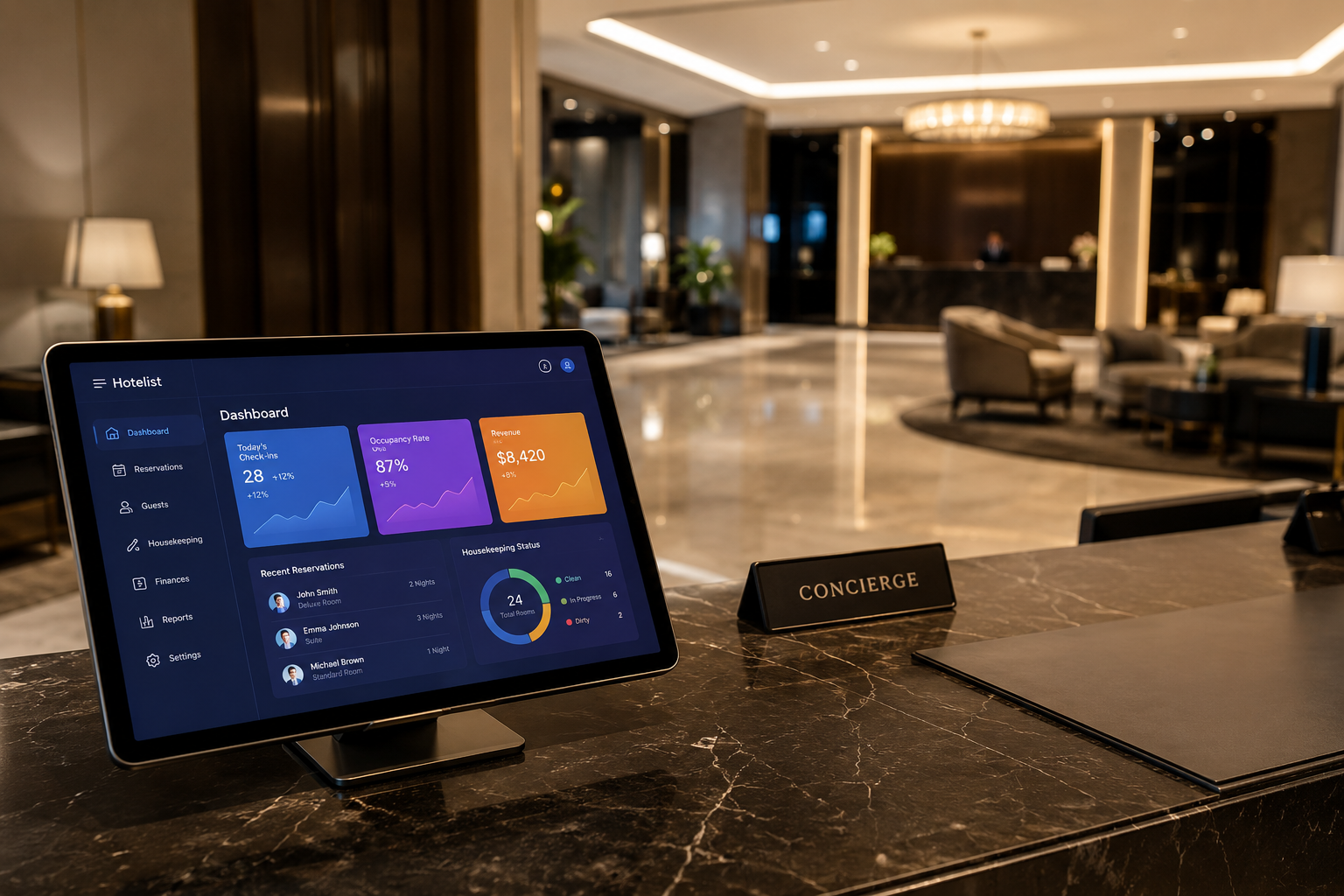
Trong thời đại công nghệ số, khách sạn thường bán phòng trên nhiều nền tảng khác nhau như Booking.com, Agoda, Expedia và website riêng. Nếu hệ thống quản lý phòng (PMS) không được kết nối đồng bộ thời gian thực với các kênh OTA thông qua Channel Manager, lỗi overbooking khách sạn ngoài ý muốn sẽ xảy ra.
Ví dụ: Một khách hàng vừa đặt căn phòng cuối cùng trên Agoda, nhưng hệ thống chưa kịp cập nhật để đóng phòng trên Booking.com, dẫn đến một khách khác tiếp tục đặt thành công căn phòng đó.
4. Sai sót trong quản lý thủ công
Dù hiện nay công nghệ đã phát triển, vẫn còn nhiều khách sạn nhỏ quản lý việc đặt phòng bằng sổ sách hoặc file Excel thủ công. Việc nhầm lẫn trong quá trình nhập liệu, quên không trừ phòng đã bán hoặc tính toán sai số lượng phòng trống là nguyên nhân trực tiếp dẫn đến tình trạng dở khóc dở cười khi khách đến mà không có phòng.
Ưu và nhược điểm của chiến lược Overbooking
Bất kỳ chiến lược kinh doanh nào cũng có hai mặt. Đối với overbooking khách sạn, nhà quản lý cần cân nhắc kỹ:
| Ưu điểm | Nhược điểm |
|---|---|
| Tối đa hóa doanh thu và công suất phòng. | Nguy cơ làm giảm uy tín và hình ảnh thương hiệu. |
| Bù đắp tổn thất từ việc khách hủy phòng phút chót. | Chi phí đền bù cho khách hàng (bố trí khách sạn khác, taxi...). |
| Tăng hiệu quả quản trị rủi ro tài chính. | Gây áp lực lớn lên nhân viên lễ tân khi phải đối mặt với khách hàng giận dữ. |
Cách xử lý thông minh khi khách sạn bị overbooking
Khi tình huống xấu nhất xảy ra – khách đến nhận phòng nhưng khách sạn đã hết phòng – quy trình xử lý chuyên nghiệp sẽ giúp giảm thiểu thiệt hại:
- Thực hiện "Walking the guest": Đây là thuật ngữ chỉ việc khách sạn chủ động liên hệ và chuyển khách sang một khách sạn đối tác có tiêu chuẩn tương đương hoặc cao hơn.
- Nâng cấp hạng phòng (Upgrade): Nếu khách đặt phòng tiêu chuẩn nhưng đã hết, hãy chủ động nâng cấp họ lên phòng Suite hoặc Deluxe miễn phí nếu còn trống.
- Bồi thường thỏa đáng: Ngoài việc lo chỗ ở mới, khách sạn nên tặng thêm các voucher giảm giá, bữa ăn miễn phí hoặc dịch vụ đưa đón để xoa dịu khách hàng.
- Lời xin lỗi chân thành: Thái độ của nhân viên lễ tân quyết định 80% sự hài lòng của khách trong tình huống này. Hãy giải thích khéo léo và thể hiện sự cầu thị.
Câu hỏi thường gặp (FAQ) về overbooking khách sạn
Overbooking có hợp pháp không?
Trong hầu hết các quốc gia, overbooking không bị coi là bất hợp pháp, nhưng nó vi phạm hợp đồng dân sự giữa khách sạn và khách hàng. Khách sạn có nghĩa vụ phải cung cấp chỗ ở tương đương hoặc bồi thường nếu không thực hiện được cam kết.
Làm sao để khách hàng tránh bị từ chối phòng do overbooking?
Khách hàng nên đặt phòng trực tiếp qua website khách sạn, tham gia chương trình khách hàng thân thiết hoặc thông báo thời gian check-in sớm. Những khách hàng đặt qua bên thứ ba với giá rẻ thường có nguy cơ bị "walk" cao hơn khi xảy ra overbooking.
Làm thế nào để hạn chế overbooking ngoài ý muốn?
Sử dụng phần mềm quản lý khách sạn (PMS) tích hợp bộ quản lý kênh (Channel Manager) là giải pháp hiệu quả nhất để đồng bộ lượng phòng trống trên tất cả các kênh bán hàng theo thời gian thực.
Kết luận
Overbooking khách sạn là một con dao hai lưỡi. Nếu được quản lý dựa trên dữ liệu chính xác và có quy trình xử lý chuyên nghiệp, nó sẽ là công cụ tăng trưởng doanh thu tuyệt vời. Ngược lại, nếu để xảy ra do sai sót kỹ thuật hoặc quản lý kém, nó sẽ hủy hoại uy tín của khách sạn nhanh chóng. Hy vọng bài viết này đã giúp bạn hiểu rõ hơn về bản chất và cách vận hành của chiến lược này trong ngành khách sạn.