

Optimal hotel management process using PMS software: The key to revenue growth
Published: | views: 29
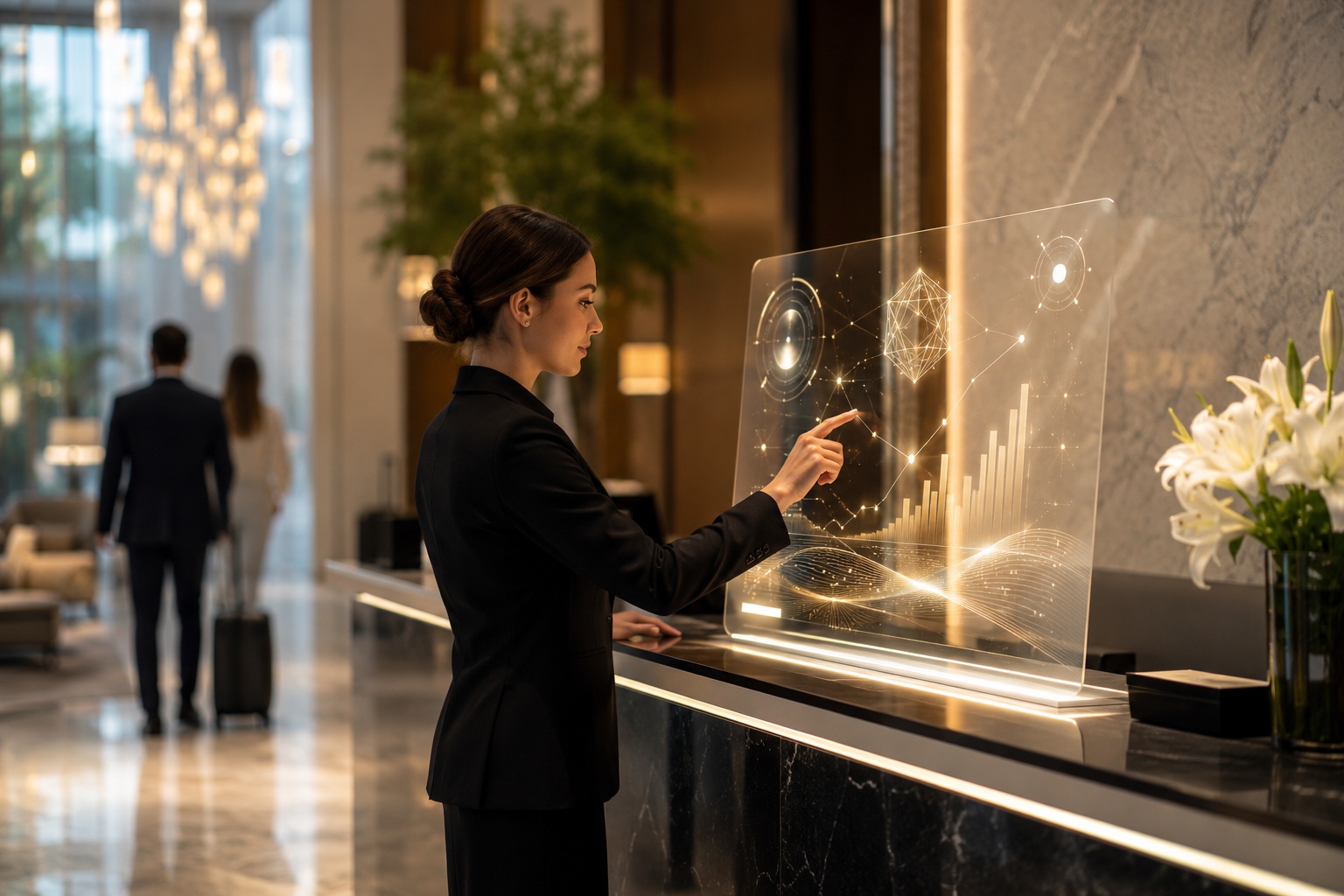
Discover the professional hotel management process using PMS software to optimize operations, reduce losses, and enhance customer experience most effectively.
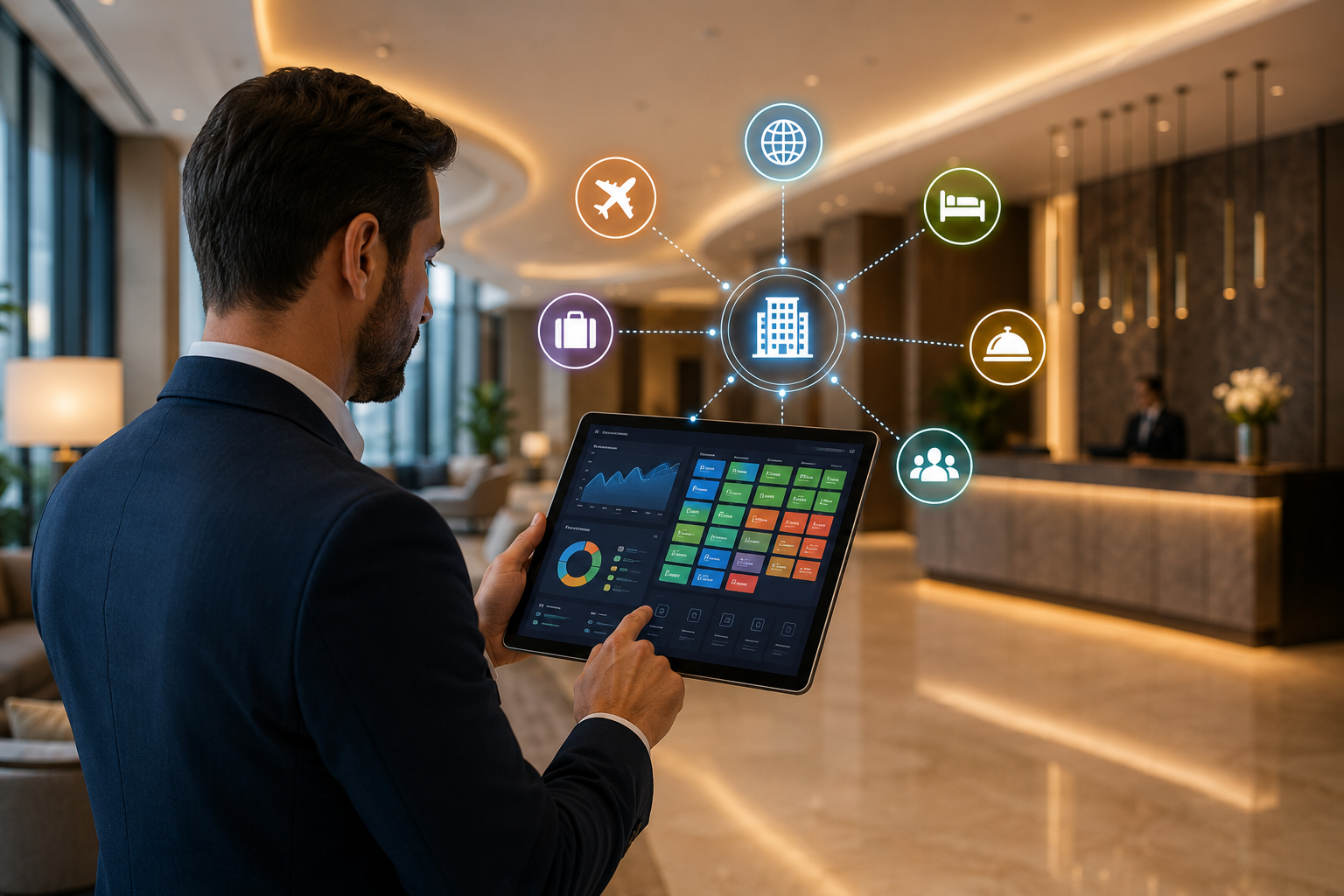
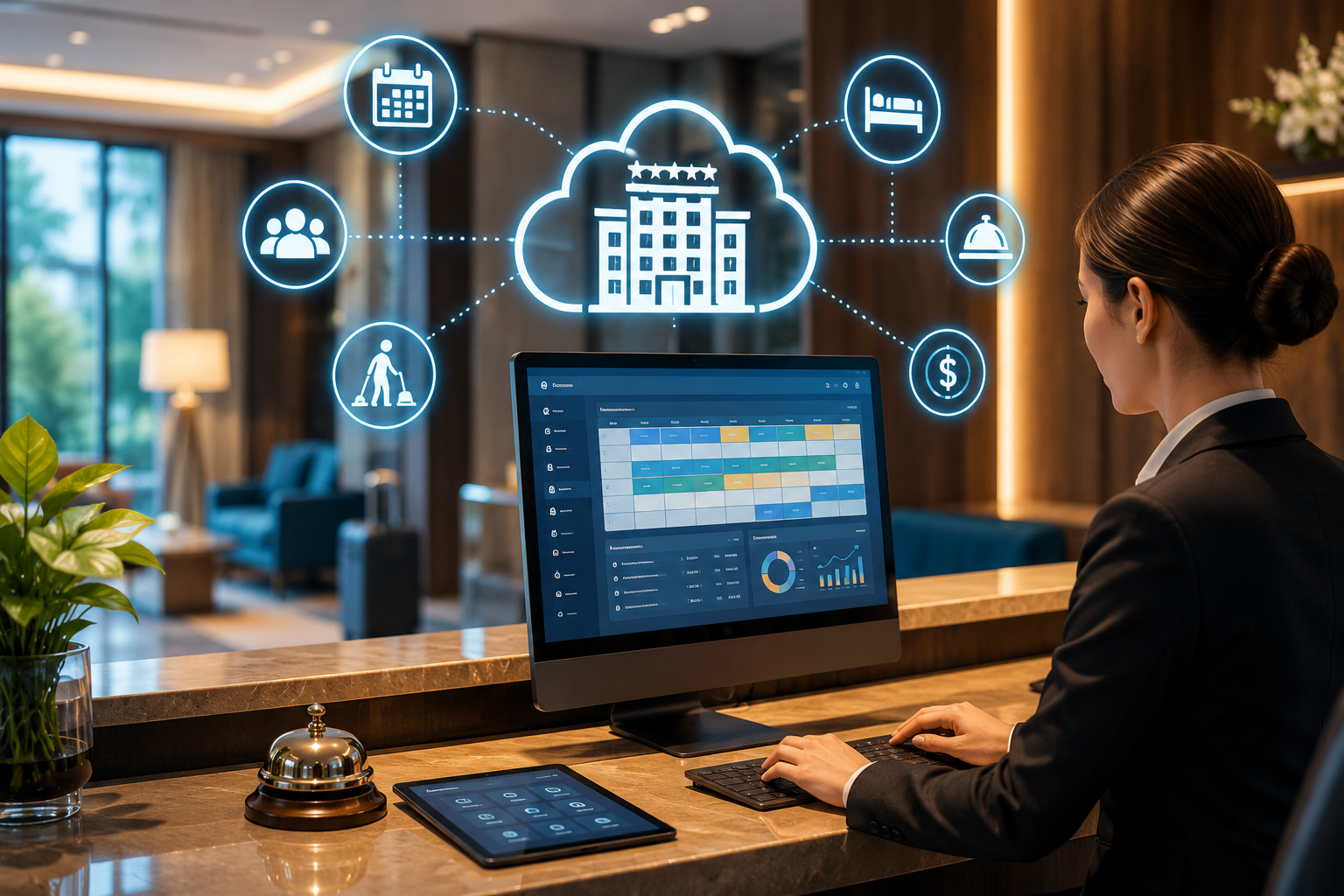
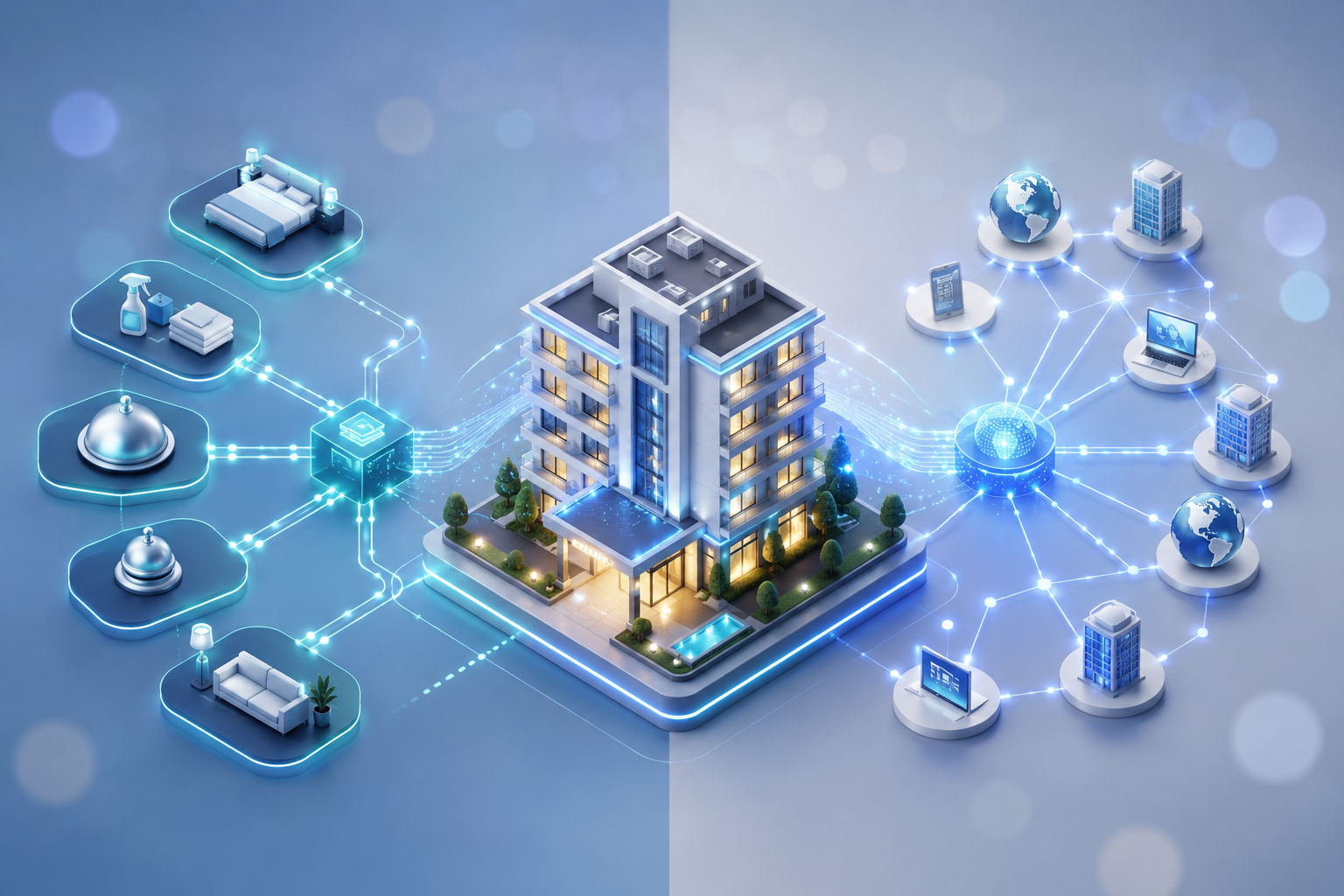
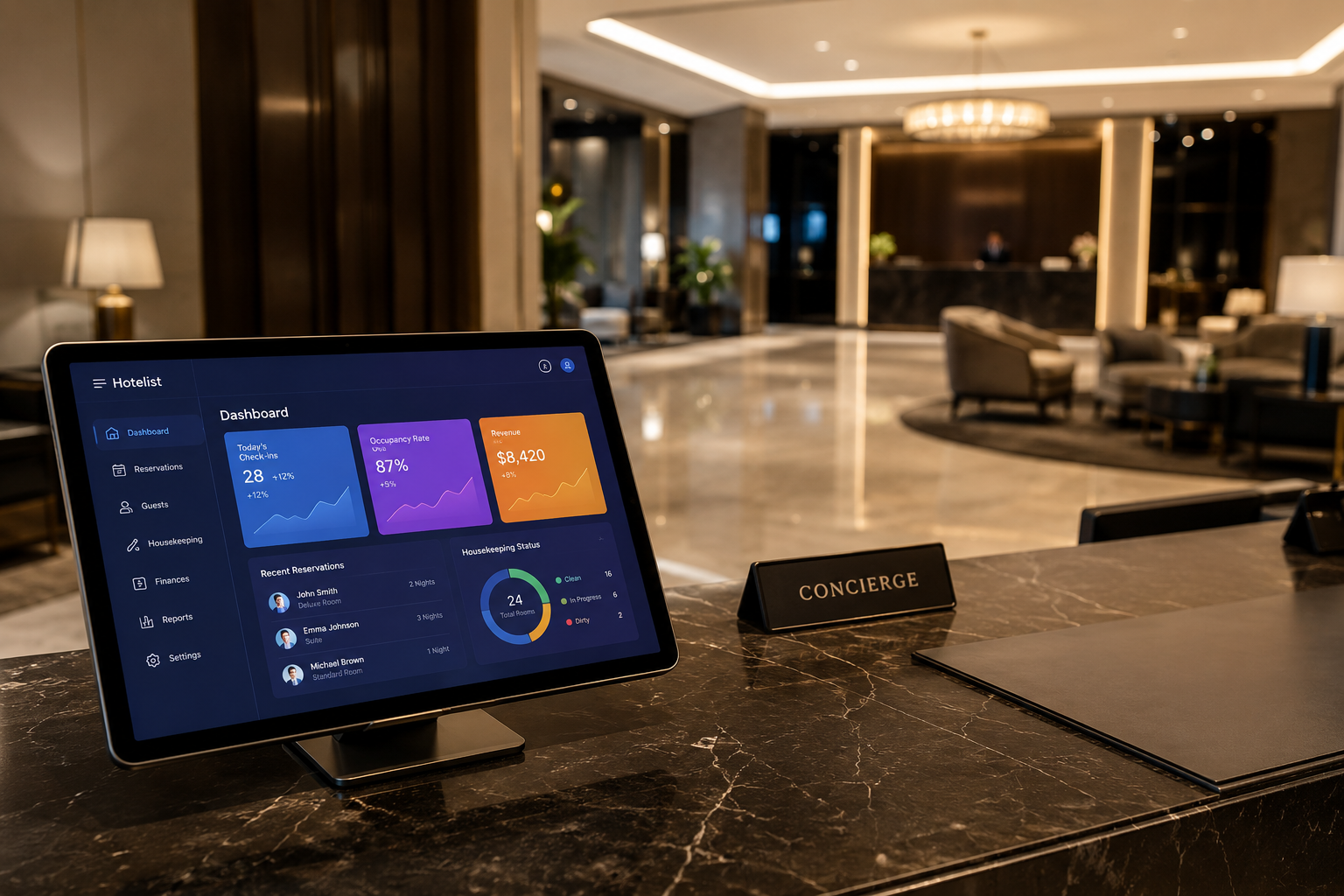
Introduction to hotel management processes in the digital age In today's highly competitive hospitality industry, maintaining a manual hotel management process using logbooks or Excel is no longer enough to meet customer needs. The emergence of hotel management software (PMS - Property Management System) has created a revolution, helping to standardize all activities from booking to guest departure. This article will delve into analyzing the standard hotel operation process with the support of PMS, helping investors and managers optimize staff performance and increase sustainable profits. What is PMS and its role in the hotel management process? PMS (Property Management System) is a centralized software platform that allows hotels to coordinate key functions such as booking, check-in/check-out, housekeeping management, billing, and reporting. When applying PMS to the hotel management process, all data is updated in real-time, helping to eliminate human errors and increase service speed. Detailed 4-stage hotel management process using PMS A standard operational process is usually divided into 4 main stages. Below is how PMS intervenes and optimizes each step: 1. Pre-arrival stage This is a crucial stage to make a first impression and ensure a stable revenue stream. With PMS: Channel Manager: PMS automatically synchronizes room availability across OTA channels (Agoda, Booking, Expedia...) and the hotel website. When a guest books, the system automatically deducts the room across all channels, avoiding overbooking. Automatic booking confirmation: Immediately after a guest successfully books a room, the PMS will send a confirmation email or message with the necessary information, demonstrating professionalism. Guest profile preparation: Staff can preview stay history and guest preferences (if they are returning guests) to prepare a warmer welcome. 2. Arrival & Check-in stage The hotel management process at the front desk is often the most prone to bottlenecks. PMS helps solve this issue through: Fast check-in: Receptionists only need to scan the passport/ID card, and the system will automatically fill in the information on the registration form. Smart room assignment: PMS suggests clean, vacant rooms that match the room category booked by the guest. Keycard management: Direct integration with the magnetic lock system to create room keys right on the software. 3. Stay stage Throughout the guest's stay, PMS acts as the "coordination center" for all services: Housekeeping management: Housekeeping staff update room status (Clean/Dirty/Cleaning) via a mobile app connected to the PMS. Receptionists will know immediately when a room is ready to welcome new guests. Service integration (F&B, Spa, Laundry): All expenses incurred at the restaurant or spa are pushed directly to the guest's room bill on the PMS, avoiding losses and confusion during payment. Guest request handling: Record and track the progress of handling special guest requests directly on the system. 4. Departure & Check-out stage This stage requires absolute financial accuracy: Fast billing settlement: PMS automatically aggregates all costs from room rates to incurred services into a comprehensive invoice in just a few seconds. Diverse payment methods: Supports multiple payment methods such as cash, bank transfer, card swiping, or e-wallets. Post-stay care: After check-out, PMS can automatically send thank-you emails and customer satisfaction surveys, helping to improve service quality. Comparison between manual hotel management and PMS-based management Criteria Manual Management (Logbooks/Excel) PMS-based Management Check-in speed Slow (10-15 minutes) Fast (2-3 minutes) Overbooking risk High due to slow updates Almost 0 Revenue management Prone to errors, difficult to reconcile Accurate, real-time reporting Customer experience Average Professional, personalized Core benefits of standardizing processes with technology Applying the hotel management process through PMS brings immeasurable value: Saving personnel costs: Automating repetitive tasks helps reduce workload pressure for staff. Optimizing room occupancy: Thanks to smart room inventory synchronization, hotels can always sell the maximum number of available rooms. In-depth management reports: Hotel owners can track revenue and occupancy rates anytime, anywhere via their phones. Frequently Asked Questions (FAQ) 1. Do small hotels (Homestays/Boutiques) need to use a PMS? Yes. Even on a small scale, using a PMS helps you manage more professionally, avoid room mix-ups, and easily sell rooms on international channels to increase revenue. 2. Is the cost of implementing a PMS expensive? Currently, there are many cloud-based PMS options with very flexible pricing, paying monthly based on the number of rooms, suitable for all budgets. 3. Can non-tech-savvy staff use it? Modern PMS software usually has an intuitive, simple Vietnamese interface. With just 1-2 training sessions, staff can operate it proficiently. Conclusion Building a scientific hotel management process with the support of PMS software is not just a trend but a mandatory requirement to survive in today's hotel industry. It helps the operational system run smoothly, minimizes risks, and most importantly, brings maximum satisfaction to customers. If you are looking for a solution to elevate your hotel, start by digitizing your operational process today!