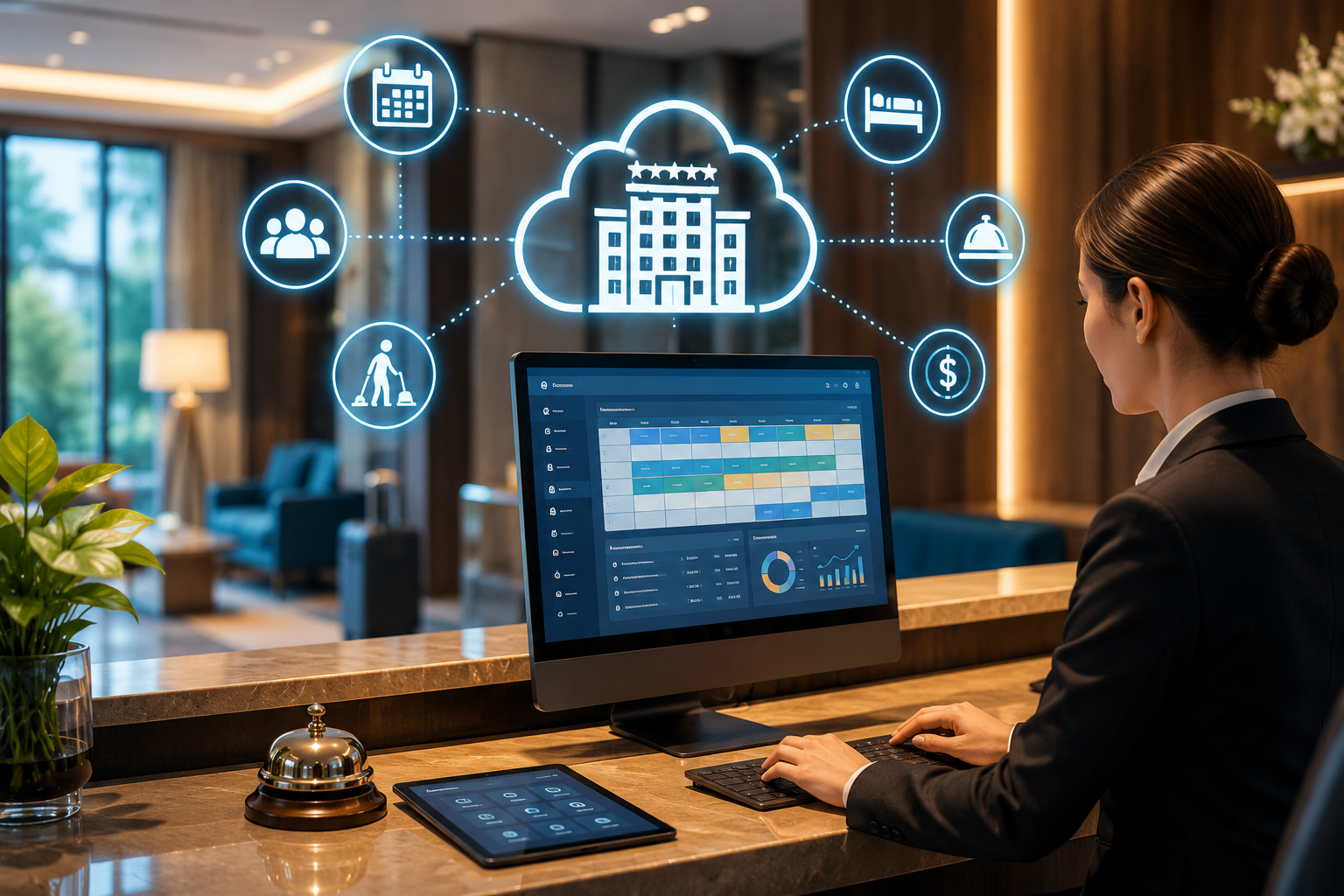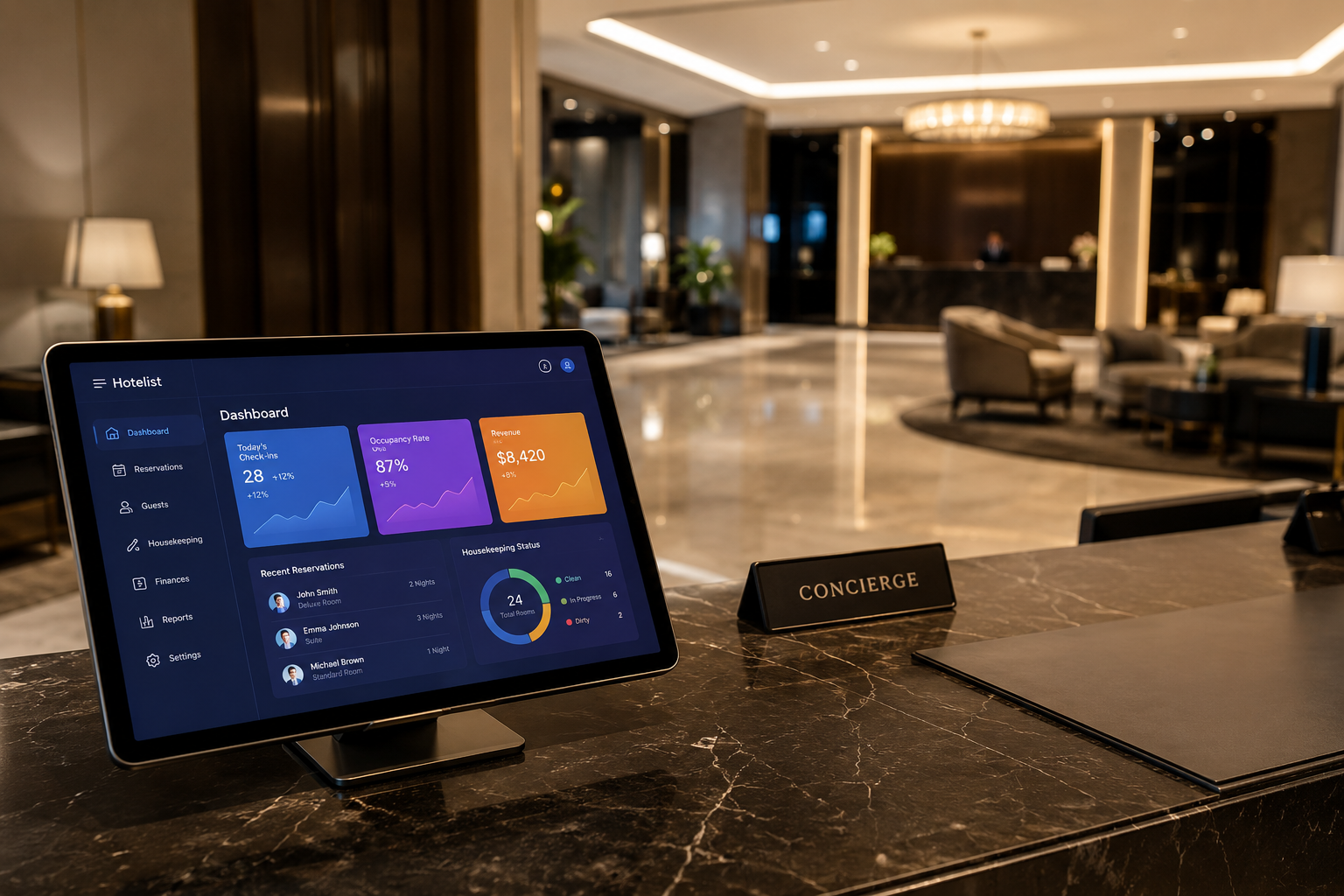



ในยุคแห่งการเปลี่ยนผ่านสู่ดิจิทัลของอุตสาหกรรมบริการที่พัก การเลือกซอฟต์แวร์บริหารจัดการโรงแรม (PMS - Property Management System) ที่เหมาะสม ถือเป็นปัจจัยสำคัญที่ตัดสินประสิทธิภาพการดำเนินงานและรายได้ ในปัจจุบัน สองรูปแบบที่ได้รับความนิยมมากที่สุดคือ pms cloud (ระบบคลาวด์) และ PMS แบบติดตั้งในเซิร์ฟเวอร์จริง (on-premise) ดังนั้น โซลูชันใดคือทางเลือกที่เหมาะสมที่สุดสำหรับธุรกิจของคุณ? มาร่วมเจาะลึกในบทความเปรียบเทียบโดยละเอียดด้านล่างนี้กันเลย
1. แนวคิดพื้นฐาน: PMS Cloud และ PMS แบบติดตั้งในเซิร์ฟเวอร์คืออะไร?
ก่อนที่จะเข้าสู่การเปรียบเทียบ เราจำเป็นต้องเข้าใจลักษณะพื้นฐานของแต่ละระบบอย่างชัดเจน:
- PMS Cloud: คือระบบบริหารจัดการโรงแรมที่ทำงานบนระบบคลาวด์ ข้อมูลทั้งหมดจะถูกจัดเก็บไว้บนเซิร์ฟเวอร์ของผู้ให้บริการ ผู้ใช้งานเพียงแค่มีอุปกรณ์ที่เชื่อมต่ออินเทอร์เน็ต (คอมพิวเตอร์, โทรศัพท์มือถือ, แท็บเล็ต) ก็สามารถเข้าถึงและบริหารจัดการได้ทุกที่ทุกเวลา
- PMS แบบติดตั้งในเซิร์ฟเวอร์ (On-premise): คือระบบซอฟต์แวร์ที่ติดตั้งโดยตรงบนระบบเซิร์ฟเวอร์จริงที่ตั้งอยู่ในโรงแรม ข้อมูลจะถูกจัดเก็บไว้ในเครื่อง และการเข้าถึงมักจะจำกัดอยู่เฉพาะในเครือข่ายภายใน (LAN) ของโรงแรมนั้นๆ
2. ตารางเปรียบเทียบโดยละเอียดระหว่าง PMS Cloud และ PMS แบบติดตั้งในเซิร์ฟเวอร์
เพื่อให้เห็นภาพรวมอย่างรวดเร็ว ด้านล่างนี้คือตารางเปรียบเทียบเกณฑ์สำคัญระหว่างทั้งสองโซลูชัน:
| เกณฑ์การเปรียบเทียบ | PMS Cloud | PMS แบบติดตั้งบนเซิร์ฟเวอร์ (On-premise) |
|---|---|---|
| ค่าใช้จ่ายในการลงทุนเริ่มต้น | ต่ำมาก ไม่ต้องซื้อเซิร์ฟเวอร์ จ่ายเพียงค่าบริการรายเดือน/รายปี | สูงมาก มีค่าใช้จ่ายในการซื้อฮาร์ดแวร์เซิร์ฟเวอร์ ค่าลิขสิทธิ์ซอฟต์แวร์ และการติดตั้งระบบ |
| ความสามารถในการเข้าถึง | ยืดหยุ่น เข้าถึงได้ทุกที่ทุกเวลาผ่านทุกอุปกรณ์ที่มีการเชื่อมต่ออินเทอร์เน็ต | จำกัด ส่วนใหญ่เข้าถึงได้เฉพาะภายในเครือข่ายภายในของโรงแรม ยากต่อการจัดการจากระยะไกล |
| การบำรุงรักษาและการอัปเดต | อัตโนมัติและฟรี ผู้ให้บริการจะอัปเกรดฟีเจอร์ใหม่ๆ อย่างต่อเนื่อง | ซับซ้อนและมีค่าใช้จ่าย จำเป็นต้องมีทีมไอทีส่วนตัวหรือจ้างบริการภายนอกเพื่ออัปเกรดด้วยตนเอง |
| ความปลอดภัยของข้อมูล | สูงมาก ข้อมูลจะถูกเข้ารหัสและสำรองข้อมูลโดยอัตโนมัติบนศูนย์ข้อมูลมาตรฐานสากล | ขึ้นอยู่กับความปลอดภัยภายใน เสี่ยงต่อการสูญเสียข้อมูลหากเซิร์ฟเวอร์เสียหาย เกิดเพลิงไหม้ หรือถูกไวรัสโจมตี |
| ความสามารถในการขยายระบบ | ง่ายดาย อัปเกรดแพ็กเกจบริการหรือเพิ่มสาขาใหม่ได้เพียงไม่กี่คลิก | ยาก ต้องอัปเกรดฮาร์ดแวร์เซิร์ฟเวอร์และซื้อลิขสิทธิ์การติดตั้งเพิ่มเติม |
3. การประเมินข้อดีและข้อเสียอย่างละเอียด
3.1. ข้อดีและข้อเสียของ PMS Cloud
ระบบ pms cloud กำลังกลายเป็นเทรนด์ระดับโลกด้วยข้อดีที่โดดเด่นดังนี้:
- ข้อดี:
- ประหยัดค่าใช้จ่ายในการลงทุนเริ่มต้นสูงสุดสำหรับโรงแรม
- จัดการจากระยะไกลได้ง่าย ช่วยให้เจ้าของโรงแรมติดตามสถานการณ์ทางธุรกิจได้แม้ในขณะเดินทาง
- เชื่อมต่อกับเครื่องมือภายนอกได้ง่าย เช่น ระบบจัดการช่องทางการขาย (Channel Manager), ช่องทางการชำระเงิน, ระบบล็อกประตูคีย์การ์ด
- ระบบได้รับการอัปเดตเทคโนโลยีล่าสุดอยู่เสมอโดยไม่ขัดจังหวะการดำเนินงาน
- ข้อเสีย: ต้องพึ่งพาการเชื่อมต่ออินเทอร์เน็ต หากสัญญาณเครือข่ายไม่เสถียร อาจส่งผลกระทบต่อความเร็วในการประมวลผล
3.2. ข้อดีและข้อเสียของ PMS แบบติดตั้งบนเซิร์ฟเวอร์
แม้ว่าจะเป็นรูปแบบดั้งเดิม แต่ PMS แบบติดตั้งบนเซิร์ฟเวอร์ก็ยังคงมีคุณค่าเฉพาะตัว:
- ข้อดี:
- โรงแรมมีสิทธิ์ควบคุมข้อมูลทางกายภาพของตนเองอย่างสมบูรณ์
- ทำงานได้อย่างเสถียรแม้ว่าการเชื่อมต่ออินเทอร์เน็ตจะตัดขาดทั้งหมด
- ข้อเสีย:
- ค่าใช้จ่ายในการดำเนินงานและการบำรุงรักษาสูงมาก (ค่าไฟฟ้าเซิร์ฟเวอร์, เจ้าหน้าที่ IT ที่เข้าเวร)
- ความเสี่ยงในการสูญเสียข้อมูลสูงมากหากไม่มีกระบวนการสำรองข้อมูล (backup) ระดับมืออาชีพ
- ความยากลำบากในการเชื่อมต่อและซิงค์ข้อมูลกับแพลตฟอร์มการจองห้องพักออนไลน์ (OTA) แบบเรียลไทม์
4. โรงแรมของคุณควรเลือกโซลูชันใด?
การตัดสินใจเลือกระหว่าง pms cloud และ PMS แบบติดตั้งบนเซิร์ฟเวอร์ ขึ้นอยู่กับขนาดและทิศทางการพัฒนาของโรงแรมเป็นอย่างมาก:
ควรเลือก PMS Cloud เมื่อ: คุณเป็นเจ้าของโรงแรมขนาดกลางและขนาดเล็ก, โฮมสเตย์, วิลล่า หรือเครือโรงแรมที่ต้องการเพิ่มประสิทธิภาพต้นทุนการดำเนินงานและลดจำนวนเจ้าหน้าที่ IT นี่เป็นตัวเลือกที่สมบูรณ์แบบหากคุณต้องการจัดการจากระยะไกลได้อย่างยืดหยุ่น และอัปเดตเทรนด์เทคโนโลยีใหม่ๆ อย่างต่อเนื่อง
ควรเลือก PMS แบบติดตั้งบนเซิร์ฟเวอร์เมื่อ: คุณเป็นรีสอร์ทขนาดใหญ่หรือโรงแรมระดับ 5 ดาวที่มีโครงสร้างพื้นฐานด้านไอทีที่แข็งแกร่งมาก มีทีมงาน IT เฉพาะทางคอยดูแลตลอด 24 ชั่วโมงทุกวัน และมีความต้องการเฉพาะด้านความปลอดภัยของข้อมูลภายในที่เข้มงวดซึ่งไม่ต้องการนำขึ้นระบบคลาวด์
5. คำถามที่พบบ่อย (FAQ)
ข้อมูลบน PMS cloud ปลอดภัยจริงหรือ?
มี ผู้ให้บริการ pms cloud ที่น่าเชื่อถือมักจะใช้เซิร์ฟเวอร์คลาวด์ชั้นนำระดับโลก (เช่น AWS, Google Cloud, Microsoft Azure) ที่มีมาตรฐานความปลอดภัยระดับสากล การเข้ารหัสข้อมูล SSL และระบบสำรองข้อมูลอัตโนมัติทุกวัน ซึ่งปลอดภัยกว่าการดูแลความปลอดภัยของเซิร์ฟเวอร์จริงที่โรงแรมด้วยตัวเองอย่างมาก
หากอินเทอร์เน็ตล่ม โรงแรมจะต้องหยุดดำเนินงานหรือไม่?
ซอฟต์แวร์ pms cloud สมัยใหม่ส่วนใหญ่รองรับฟีเจอร์การทำงานแบบออฟไลน์ (offline mode) หรือคุณสามารถเปลี่ยนไปใช้เครือข่าย 4G/5G บนโทรศัพท์มือถือหรือแท็บเล็ตได้อย่างง่ายดาย เพื่อดำเนินการเช็คอินและเช็คเอาท์ขั้นพื้นฐานต่อไป
ค่าใช้จ่ายในการเปลี่ยนจาก PMS แบบติดตั้งบนเซิร์ฟเวอร์ไปเป็น PMS Cloud แพงไหม?
ค่าใช้จ่ายในการเปลี่ยนผ่านมักจะคุ้มค่าอย่างมาก เนื่องจากคุณไม่จำเป็นต้องซื้ออุปกรณ์ฮาร์ดแวร์เพิ่มเติม ผู้ให้บริการ PMS cloud จะช่วยคุณนำเข้าข้อมูลเก่าไปยังระบบใหม่ได้อย่างรวดเร็วและปลอดภัย
บทสรุป
สรุปได้ว่า pms cloud กำลังเป็นแนวโน้มที่หลีกเลี่ยงไม่ได้ของอุตสาหกรรมโรงแรมยุคใหม่ ด้วยความยืดหยุ่น ค่าใช้จ่ายที่คุ้มค่า และความสามารถในการขยายระบบได้อย่างไม่มีขีดจำกัด หวังว่าบทความนี้จะช่วยให้คุณเห็นภาพที่ชัดเจนและตัดสินใจลงทุนได้อย่างถูกต้องที่สุดสำหรับโรงแรมของคุณ