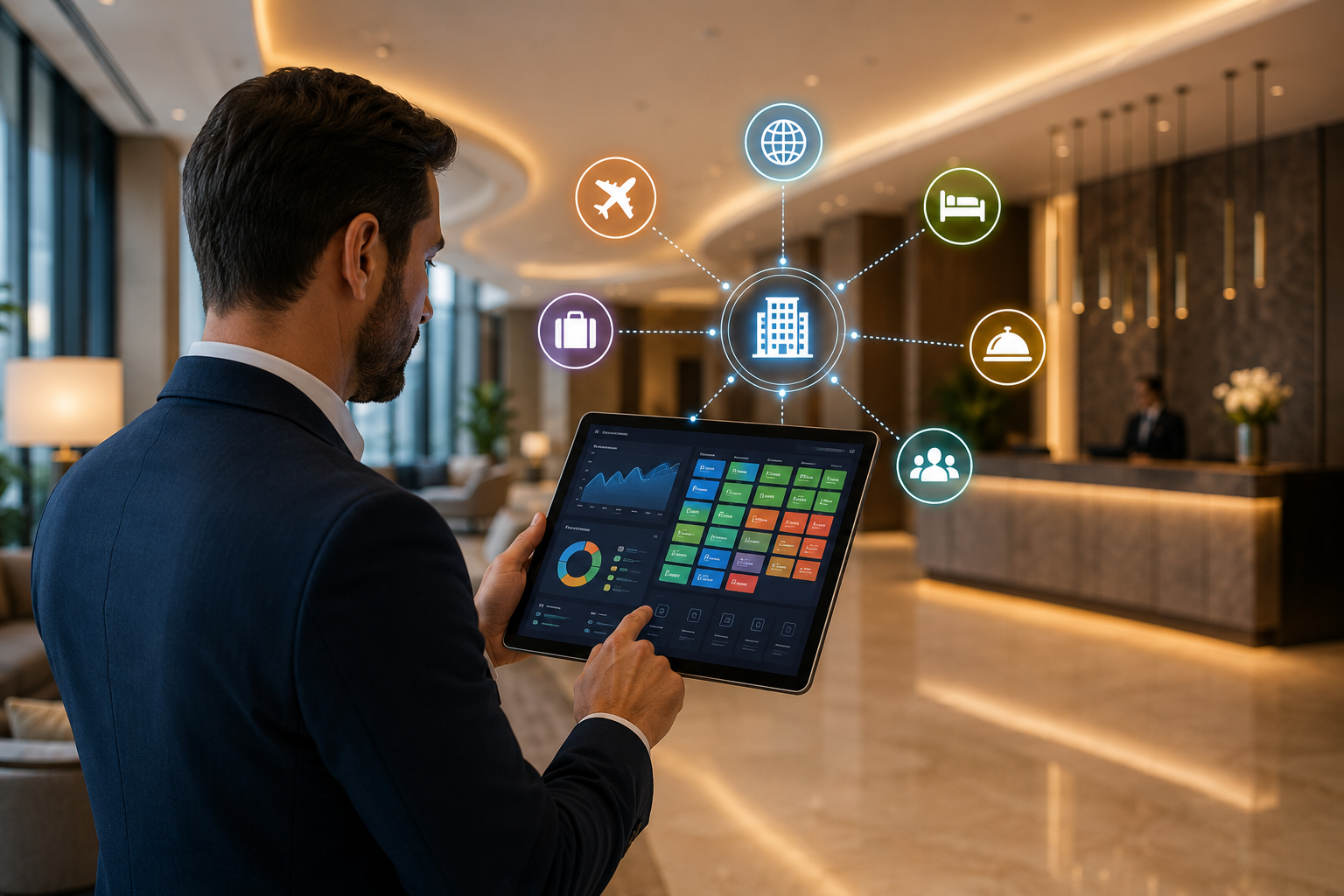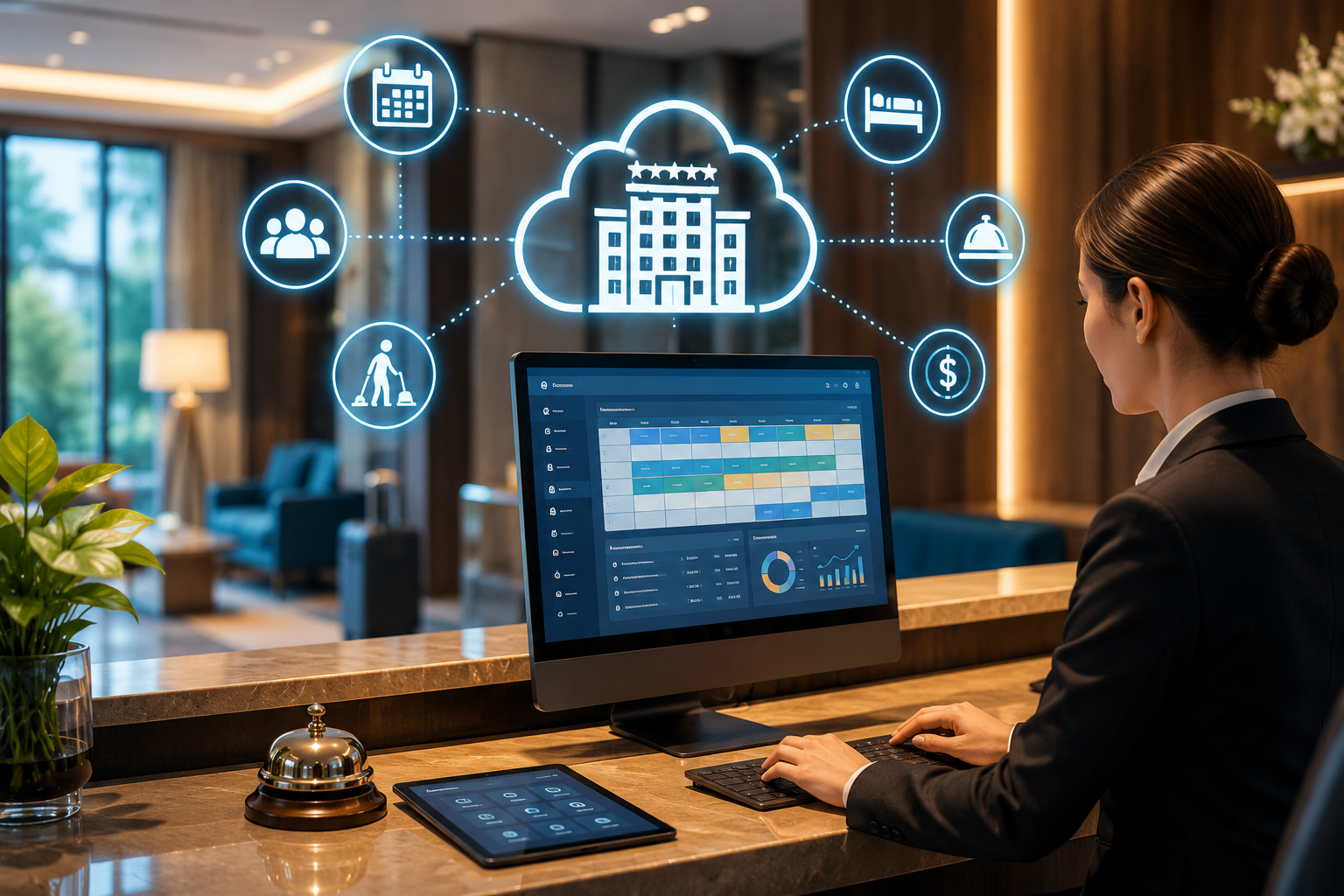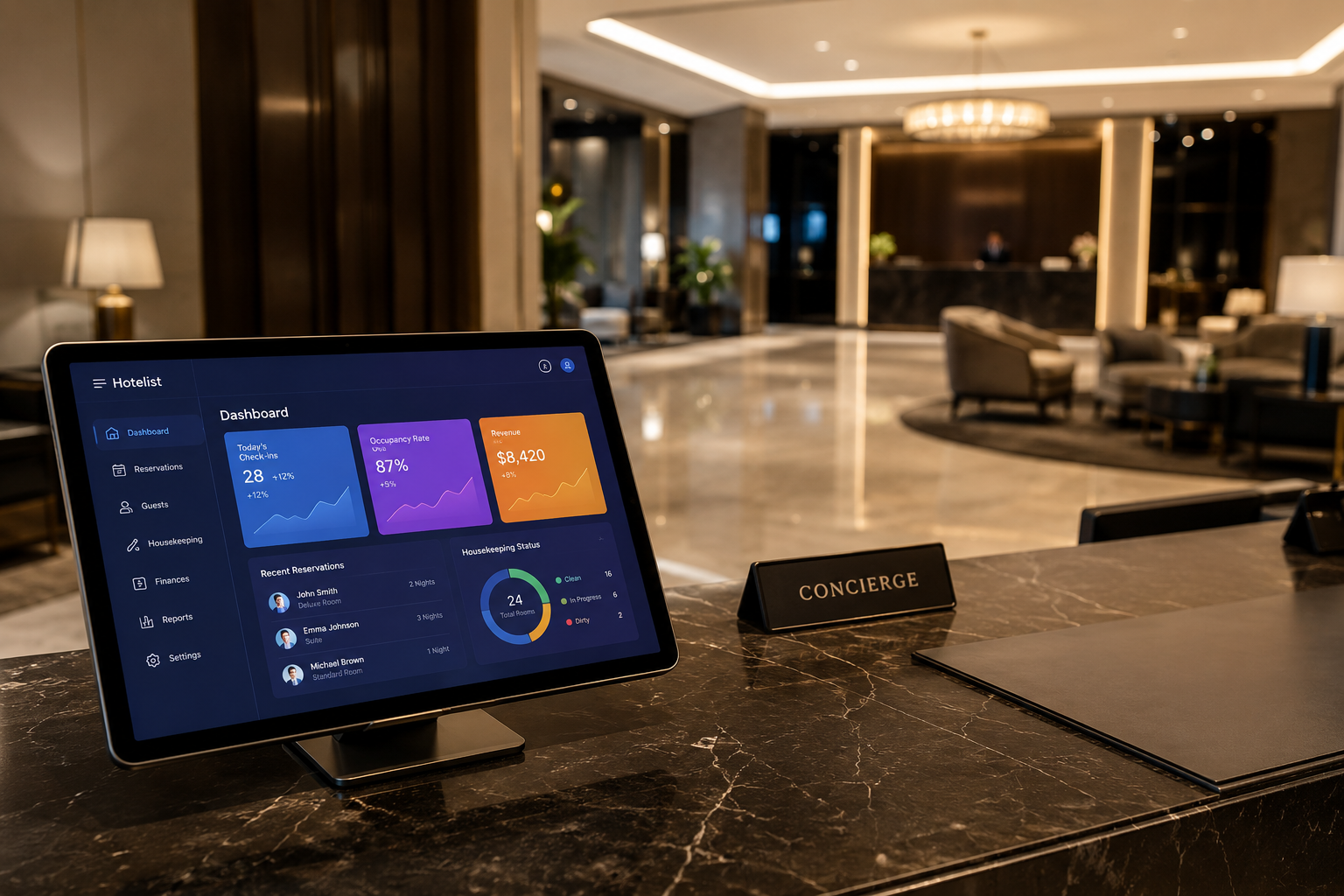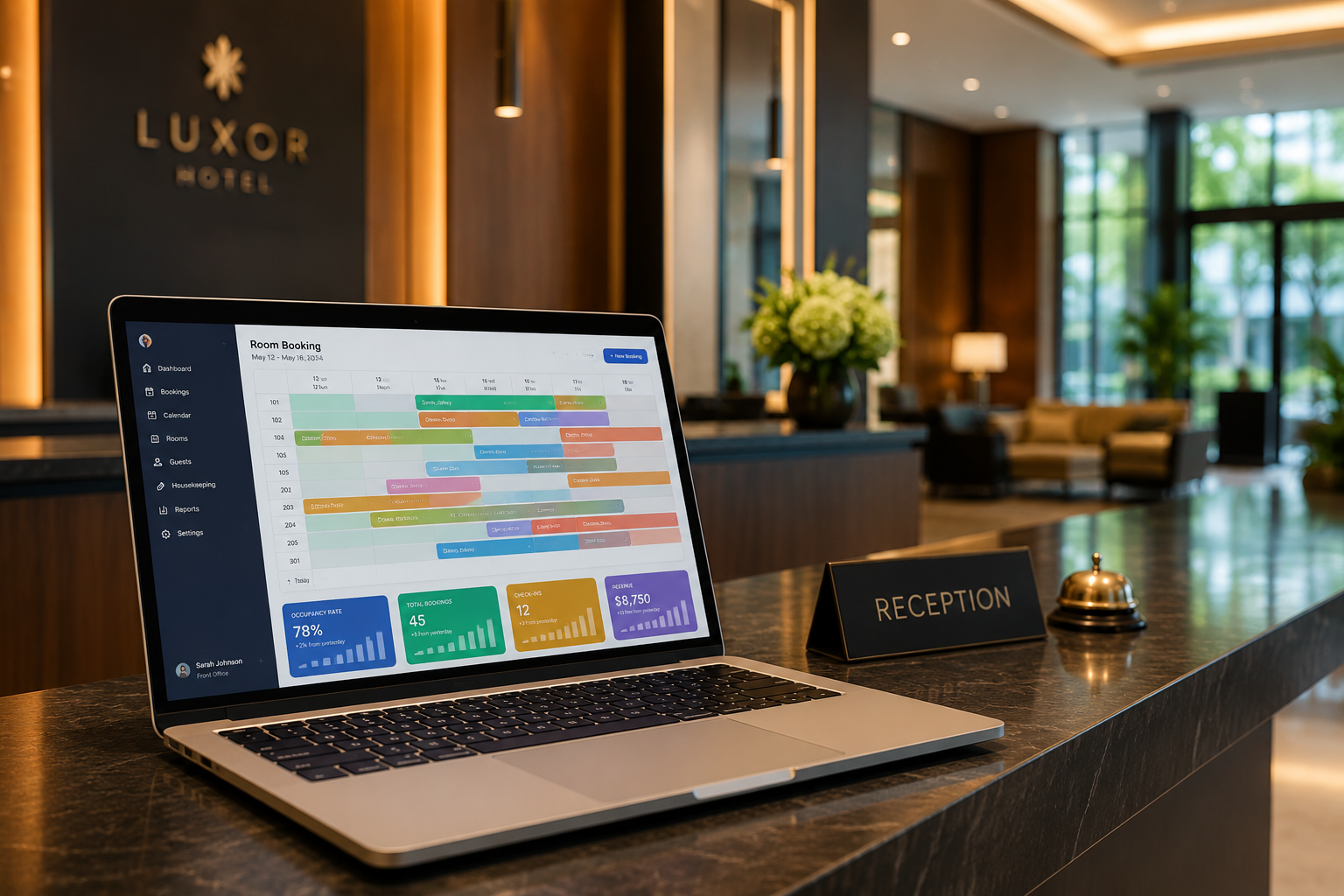


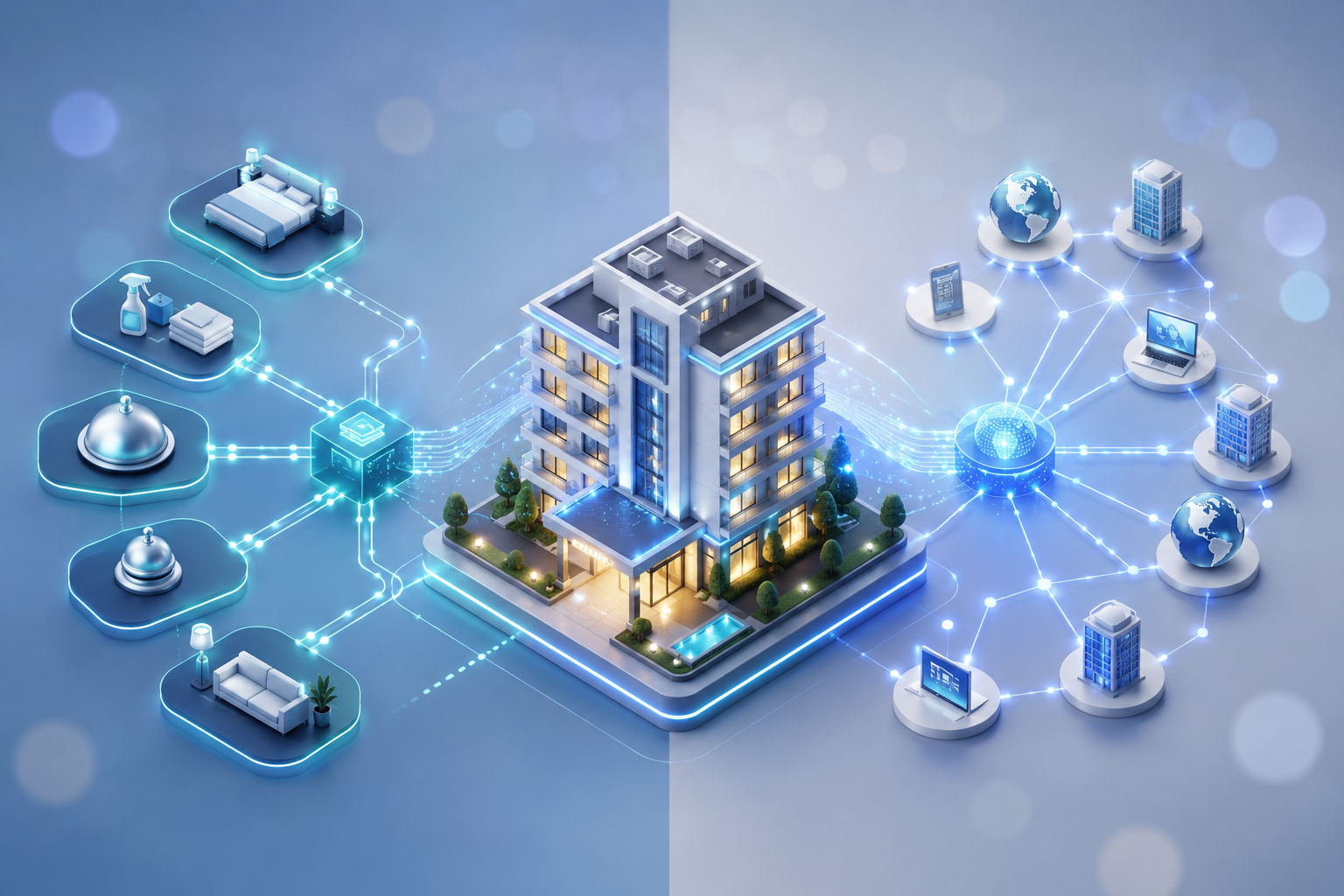
Introducción a PMS y Channel Manager
En la era digital, la gestión hotelera ya no se limita a libros contables o hojas de cálculo de Excel aisladas. Para operar de manera eficiente y optimizar los ingresos, los hoteleros necesitan el apoyo de herramientas tecnológicas especializadas. Entre ellas, PMS y Channel Manager son los dos conceptos más comunes, pero también los que suelen generar más confusión entre los principiantes.
Entonces, ¿en qué se diferencian PMS y Channel Manager? ¿Por qué su hotel necesita ambos? Este artículo analizará en detalle cada herramienta, comparará las diferencias y le ayudará a tomar la mejor decisión para su modelo de negocio.
1. ¿Qué es un PMS (Property Management System)?
El PMS (Property Management System), o Sistema de Gestión de Propiedades, es un software que actúa como el "cerebro" que dirige todas las operaciones internas de un establecimiento de alojamiento. El PMS ayuda a automatizar los procesos administrativos y la gestión operativa diaria.
Características principales de un PMS:
- Gestión de reservas (Reservation): Registra la información del cliente, las fechas de entrada/salida y el estado de las habitaciones.
- Gestión de recepción (Front Desk): Realiza los procedimientos de Check-in y Check-out de forma rápida.
- Gestión de limpieza (Housekeeping): Actualiza el estado de las habitaciones (limpias/sucias) en tiempo real.
- Gestión de ingresos y facturación: Calcula costes, imprime facturas y gestiona ingresos y gastos.
- Informes: Genera informes sobre ocupación y facturación por día/mes/año.
En resumen, el PMS se centra en gestionar lo que sucede dentro de su hotel.
2. ¿Qué es un Channel Manager?
Channel Manager, o Sistema de gestión de canales de distribución, es una herramienta tecnológica que ayuda a los hoteles a vender habitaciones en diversos canales en línea (como Agoda, Booking.com, Expedia, Airbnb...) simultáneamente de forma automática.
Características principales del Channel Manager:
- Sincronización de inventario: Cuando se reserva una habitación en Booking.com, el sistema reduce automáticamente el número de habitaciones disponibles en todos los demás canales para evitar el Overbooking (sobreventa).
- Gestión de precios centralizada: Solo necesita cambiar el precio una vez en el Channel Manager y el nuevo precio se actualizará simultáneamente en todas las OTAs.
- Conexión multicanal: Ayuda al hotel a llegar a millones de clientes en todo el mundo a través de agencias de viajes en línea.
En otras palabras, el Channel Manager se centra en la gestión de la venta de habitaciones hacia el exterior.
3. Comparación de las diferencias entre PMS y Channel Manager
Para comprender mejor en qué se diferencian el PMS y el Channel Manager, consulte la siguiente tabla comparativa:
| Criterio | PMS (Sistema de gestión hotelera) | Channel Manager (Gestión de canales) |
|---|---|---|
| Propósito principal | Gestión de operaciones internas y experiencia del cliente en el lugar. | Gestión de la distribución de habitaciones y sincronización de precios en los canales OTA. |
| Objetos de gestión | Personal, habitaciones, huéspedes, facturas. | Agencias de viajes en línea (OTA), GDS, sitios web de reservas. |
| Funciones principales | Check-in/out, plano de habitaciones, informes financieros. | Actualización de inventario en tiempo real, actualización automática de precios. |
| Mayor beneficio | Aumento de la eficiencia laboral, reducción de errores manuales. | Aumento de la visibilidad, evitar el Overbooking, optimización de ingresos. |
4. ¿Por qué los hoteles necesitan combinar tanto el PMS como el Channel Manager?
Aunque tienen funciones diferentes, el PMS y el Channel Manager funcionan de manera más eficiente cuando están integrados. Esto se conoce como una solución integral de gestión hotelera.
Beneficios de la integración:
- Automatización total: Cuando un huésped reserva en una OTA, la información es enviada directamente al PMS por el Channel Manager. El personal de recepción no necesita ingresar los datos manualmente.
- Datos 100% precisos: La disponibilidad de habitaciones se actualiza constantemente tanto en el sistema interno como en los canales de venta, eliminando por completo el riesgo de errores.
- Optimización de la estrategia de precios: Puede basarse en los informes de ocupación del PMS para ajustar los precios en el Channel Manager y así obtener el máximo beneficio (Revenue Management).
- Mejora de la experiencia del cliente: Los procesos rápidos aumentan la satisfacción del cliente desde el momento de la reserva hasta el check-in.
5. Preguntas frecuentes (FAQ)
¿Necesitan los hoteles pequeños usar ambos?
Si su hotel solo tiene unas pocas habitaciones y solo vende en un único canal, es posible que solo necesite un PMS. Sin embargo, si desea expandir su negocio en 2-3 canales OTA o más, contar con un Channel Manager es extremadamente necesario para evitar el exceso de reservas.
¿Puedo usar un Channel Manager sin un PMS?
Es posible, pero será muy difícil. Tendrá que gestionar el check-in, la limpieza y los pagos de forma manual o con Excel. Esto puede provocar errores fácilmente a medida que aumenta el tamaño del hotel.
¿Cuál es el costo de estos sistemas?
Actualmente existen muchos proveedores de software (SaaS) con tarifas mensuales flexibles, basadas en el número de habitaciones del hotel. Esta inversión suele ofrecer un ROI (retorno de la inversión) muy alto gracias al ahorro de tiempo y al aumento de las reservas.
Conclusión
Comprender claramente en qué se diferencian el PMS y el Channel Manager es el primer paso para modernizar el proceso de gestión hotelera. El PMS le ayuda a gestionar bien el interior, mientras que el Channel Manager le ayuda a llegar al exterior. La combinación perfecta de estas dos herramientas es la clave para un negocio hotelero exitoso en la era 4.0.
Esperamos que este artículo le haya proporcionado una visión profunda y útil. Si está buscando una solución de gestión, ¡priorice a los proveedores que ofrecen sistemas que integran tanto PMS como Channel Manager para lograr la máxima eficiencia!