


ในยุคดิจิทัลปัจจุบัน อุตสาหกรรมการบริการที่พักกำลังเผชิญกับการแข่งขันที่รุนแรงอย่างยิ่ง อย่างไรก็ตาม ยังมีเจ้าของโฮมสเตย์ เกสต์เฮ้าส์ และโรงแรมขนาดกลางและขนาดย่อมจำนวนไม่น้อยที่ยังคงรักษาแนวทางการดำเนินงานแบบดั้งเดิมด้วยการใช้สมุดบันทึกหรือไฟล์ Excel วิธีการนี้ไม่เพียงแต่เสียเวลา แต่ยังแฝงไปด้วยความเสี่ยงมากมาย ในบทความนี้ เราจะมาเจาะลึกถึง ข้อผิดพลาดในการบริหารจัดการโรงแรม ที่พบบ่อยที่สุดเมื่อดำเนินงานด้วยตนเอง และวิธีแก้ไขอย่างเด็ดขาด
ทำไมการบริหารจัดการโรงแรมด้วยตนเองจึงไม่มีประสิทธิภาพอีกต่อไป?
การบริหารจัดการด้วยตนเองเคยเป็นโซลูชันที่ช่วยประหยัดค่าใช้จ่ายในช่วงเริ่มต้นธุรกิจ อย่างไรก็ตาม เมื่อขนาดของโรงแรมใหญ่ขึ้นหรือในช่วงไฮซีซั่น วิธีการนี้จะเผยให้เห็นข้อจำกัดที่ร้ายแรงอย่างรวดเร็ว การพึ่งพาความจำของพนักงาน การจดบันทึกด้วยลายมือ หรือไฟล์ Excel ที่แยกจากกัน ทำให้ข้อมูลกระจัดกระจาย เกิดความสับสนได้ง่าย และขาดการซิงโครไนซ์แบบเรียลไทม์
7 ข้อผิดพลาดในการบริหารจัดการโรงแรมที่พบบ่อยเมื่อดำเนินงานด้วยตนเอง
1. สถานการณ์ Overbooking (การจองห้องซ้ำ)
นี่คือหนึ่งใน ข้อผิดพลาดในการจัดการโรงแรม ที่คลาสสิกที่สุดเมื่อจัดการด้วยตนเอง เมื่อคุณขายห้องพักผ่านหลายช่องทาง เช่น Booking.com, Agoda, Facebook และลูกค้า walk-in การอัปเดตจำนวนห้องว่างด้วยตนเองนั้นมีโอกาสล่าช้าได้ง่ายมาก เพียงแค่คลาดสายตาไปเพียงนาทีเดียว ลูกค้าสองคนก็อาจจองห้องเดียวกันในเวลาเดียวกัน ซึ่งนำไปสู่ประสบการณ์ที่ย่ำแย่สำหรับลูกค้า และส่งผลกระทบอย่างร้ายแรงต่อชื่อเสียงของโรงแรม
2. การสูญเสียรายได้เนื่องจากการควบคุมที่ไม่เข้มงวด
เมื่อไม่มีเครื่องมือตรวจสอบอัตโนมัติ เจ้าของโรงแรมจะควบคุมได้ยากมากหากพนักงานแอบปล่อยเช่าห้องพักรายชั่วโมงหรือห้องพักค้างคืนโดยไม่บันทึกในสมุดบัญชีเพื่อเก็บเงินเข้ากระเป๋าตัวเอง นอกจากนี้ การคำนวณค่าห้องและค่าบริการเสริมผิดพลาด (บริการซักรีด น้ำดื่ม มินิบาร์) เนื่องจากการบันทึกข้อมูลที่ตกหล่น ก็เป็นสาเหตุหลักที่ทำให้สูญเสียรายได้โดยไม่สามารถหาผู้รับผิดชอบได้
3. การอัปเดตสถานะห้องพักที่ล่าช้า
ขั้นตอนการทำความสะอาดและการส่งมอบห้องพักระหว่างแผนกแม่บ้านและแผนกต้อนรับ หากสื่อสารผ่านวิทยุสื่อสารหรือจดบันทึกด้วยกระดาษจะใช้เวลานานมาก แผนกต้อนรับไม่ทราบว่าห้องใดทำความสะอาดเสร็จแล้วเพื่อเช็คอินให้ลูกค้าใหม่ ส่งผลให้ลูกค้าต้องรอนานที่ล็อบบี้ ในทางกลับกัน ห้องว่างแล้วแต่ในระบบบันทึกยังคงระบุว่า "กำลังทำความสะอาด" ทำให้ประสิทธิภาพในการใช้ประโยชน์จากห้องพักลดลง
4. การบริหารจัดการคลังสินค้าและวัตถุดิบที่หละหลวม
โรงแรมไม่เพียงแต่ขายห้องพักเท่านั้น แต่ยังดำเนินธุรกิจบริการเสริมอื่นๆ อีกด้วย การจัดการคลังสิ่งของเครื่องใช้ที่จำเป็น (แชมพู, สบู่เหลว, น้ำดื่ม, เบียร์, น้ำอัดลม...) ด้วยสมุดบันทึกนั้นง่ายมากที่จะนำไปสู่การสูญหายหรือขาดหายโดยไม่ทราบสาเหตุ พนักงานอาจใช้งานอย่างสิ้นเปลือง หรือไม่สามารถควบคุมวันหมดอายุของสินค้าได้
5. ขาดรายงานทางการเงินที่ถูกต้องและทันท่วงที
เพื่อให้ทราบถึงสถานะการดำเนินงานว่าได้กำไรหรือขาดทุน เจ้าของโรงแรมที่ดำเนินงานแบบแมนนวลต้องใช้เวลาหลายชั่วโมงหรือหลายวันในการบวกลบตัวเลขจากสมุดบันทึกหลายเล่ม รายงานเหล่านี้มักจะมีความล่าช้าสูงและข้อมูลคลาดเคลื่อนได้ง่าย ทำให้เจ้าของธุรกิจไม่สามารถตัดสินใจเชิงกลยุทธ์ได้อย่างทันท่วงที เช่น การปรับราคาห้องพักตามฤดูกาล หรือการเพิ่มประสิทธิภาพต้นทุนการดำเนินงาน
6. ประสบการณ์ของลูกค้าที่ไม่ดีเนื่องจากขั้นตอนที่ล่าช้า
ลูกค้าในปัจจุบันต้องการความรวดเร็วและความสะดวกสบาย การปล่อยให้ลูกค้ารอนานเกินไปเพื่อทำการเช็คอิน เช็คเอาท์ หรือค้นหาข้อมูลการจองห้องพักในกองสมุดบันทึกที่ยุ่งเหยิง จะสร้างความประทับใจแรกพบที่ไม่ดีอย่างยิ่ง กระบวนการทำงานที่ไม่เป็นมืออาชีพจะทำให้ลูกค้าจากไปและไม่กลับมาอีก
7. ข้อมูลลูกค้าเกิดการรั่วไหลและสูญหาย
สมุดบันทึกอาจเปียกน้ำ ฉีกขาด สูญหาย หรือถูกโจรกรรมได้ ไฟล์ Excel ที่บันทึกไว้ในคอมพิวเตอร์ส่วนบุคคลอาจติดไวรัสหรือถูกลบโดยไม่ได้ตั้งใจ การสูญเสียไฟล์ข้อมูลลูกค้าไม่เพียงแต่ทำให้คุณเสียโอกาสในการดูแลลูกค้าเก่าเท่านั้น แต่ยังละเมิดหลักการรักษาความปลอดภัยข้อมูลส่วนบุคคลอีกด้วย
ตารางเปรียบเทียบ: การดำเนินงานแบบแมนนวล vs. การใช้เทคโนโลยี
เพื่อให้เห็นภาพที่ชัดเจนยิ่งขึ้นเกี่ยวกับผลกระทบของข้อผิดพลาดในการบริหารจัดการโรงแรมเมื่อทำงานแบบแมนนวล เรามาดูตารางเปรียบเทียบด้านล่างนี้กัน:
| เกณฑ์ | การดำเนินงานแบบแมนนวล (สมุดบันทึก/Excel) | การดำเนินงานแบบอัตโนมัติ (ซอฟต์แวร์ PMS) |
|---|---|---|
| การจัดการการจองห้องพัก | เกิดการจองซ้ำได้ง่าย (Overbooking) และอัปเดตข้อมูลล่าช้า | ซิงค์ข้อมูลแบบเรียลไทม์ในทุกช่องทาง OTA |
| การควบคุมรายได้ | ง่ายต่อการสูญเสียเนื่องจากการทุจริตหรือข้อผิดพลาดในการคำนวณ | คำนวณอัตโนมัติ ติดตามทุกธุรกรรมทางการเงิน |
| ความเร็วในการให้บริการ | ล่าช้า ลูกค้าต้องรอเช็คอิน/เช็คเอาท์ | รวดเร็ว มืออาชีพ เพียงไม่กี่คลิก |
| รายงาน & สถิติ | เสียเวลาในการรวบรวมข้อมูล ความแม่นยำต่ำ | รายงานที่เข้าใจง่าย อัปเดตทันทีทุกที่ทุกเวลา |
| ความปลอดภัยของข้อมูล | ความเสี่ยงสูงที่จะสูญหาย ข้อมูลรั่วไหลได้ง่าย | จัดเก็บข้อมูลบนคลาวด์อย่างปลอดภัย กำหนดสิทธิ์พนักงานอย่างชัดเจน |
ทางออกในการแก้ไขปัญหาการบริหารจัดการโรงแรมอย่างเด็ดขาด
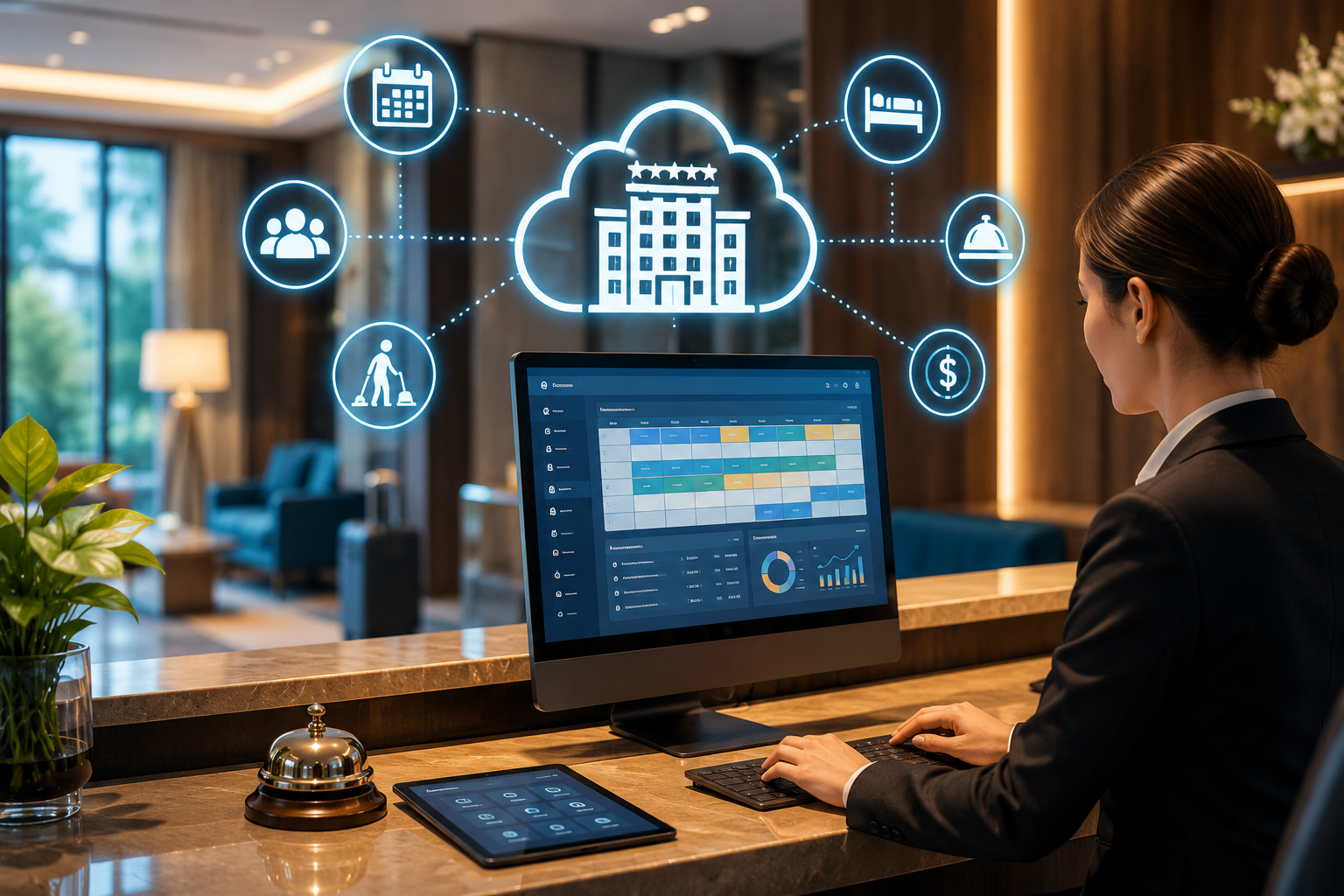
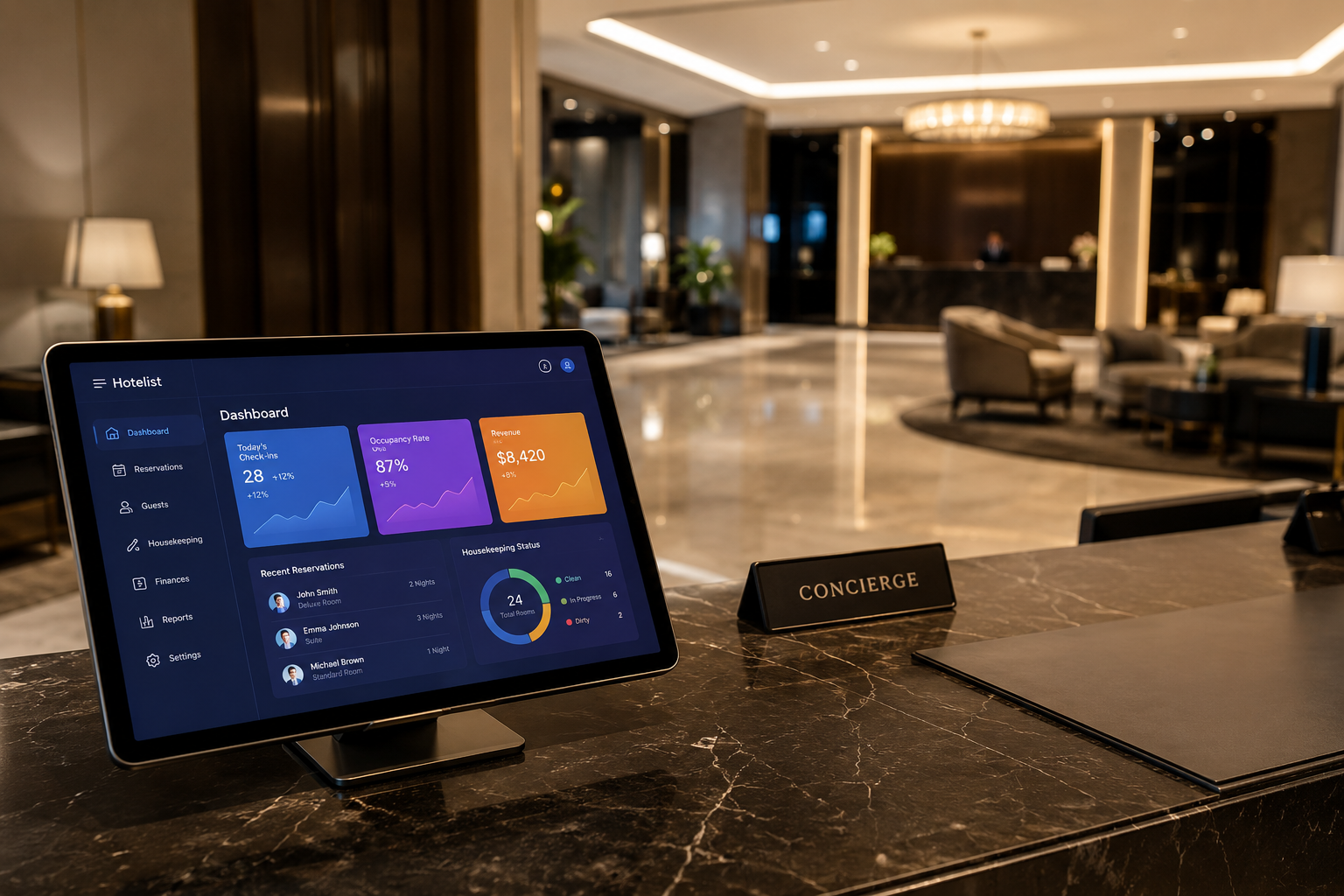
เพื่อขจัดความเสี่ยงข้างต้นทั้งหมด การทำดิจิทัลทรานส์ฟอร์เมชันและการประยุกต์ใช้เทคโนโลยีในการบริหารจัดการจึงเป็นขั้นตอนที่หลีกเลี่ยงไม่ได้ การใช้ ซอฟต์แวร์บริหารจัดการโรงแรม (PMS) ระดับมืออาชีพจะช่วยคุณ:
- การปรับกระบวนการทำงานให้เป็นอัตโนมัติ: ตั้งแต่การรับจองห้องพัก การจัดสรรห้อง การเช็คอิน การเช็คเอาท์ ไปจนถึงการคิดเงิน ทั้งหมดนี้ทำได้อย่างอัตโนมัติและแม่นยำ
- การซิงค์ช่องทางการจัดจำหน่าย (Channel Manager): หลีกเลี่ยงปัญหาการจองซ้ำซ้อน (Overbooking) ได้อย่างสมบูรณ์แบบ โดยการปิด/เปิดห้องพักบนเว็บไซต์ OTA โดยอัตโนมัติเมื่อมีการเปลี่ยนแปลง
- การบริหารจัดการจากระยะไกล: เจ้าของโรงแรมสามารถติดตามสถานการณ์ทางธุรกิจ รายได้ และอัตราการเข้าพักได้โดยตรงบนโทรศัพท์มือถือทุกที่ทุกเวลา
- การเพิ่มประสิทธิภาพบุคลากร: ลดภาระงานที่ต้องทำด้วยมือของพนักงาน ช่วยให้พวกเขามุ่งเน้นไปที่การยกระดับคุณภาพการบริการลูกค้า
คำถามที่พบบ่อย (FAQ)
จะลดข้อผิดพลาดในการบริหารจัดการโรงแรมให้เหลือน้อยที่สุดได้อย่างไร หากยังไม่มีงบประมาณสำหรับใช้งานซอฟต์แวร์?
หากยังไม่สามารถลงทุนในซอฟต์แวร์ได้ คุณจำเป็นต้องสร้างกระบวนการส่งมอบกะการทำงานที่เข้มงวดอย่างยิ่ง กำหนดรูปแบบไฟล์ Excel ที่ใช้ร่วมกันบน Google Sheets เพื่อให้พนักงานทุกคนสามารถอัปเดตข้อมูลได้พร้อมกัน และทำการสุ่มตรวจเช็กอย่างสม่ำเสมอเพื่อป้องกันการทุจริต
ซอฟต์แวร์บริหารจัดการโรงแรมสามารถแก้ปัญหาการรั่วไหลของรายได้ได้จริงหรือไม่?
จริง ซอฟต์แวร์จะบันทึกทุกการทำงานของพนักงาน (ประวัติการแก้ไข/ลบใบแจ้งหนี้, เวลาเปิดห้องพัก, ประวัติการชำระเงิน) สิ่งนี้ช่วยให้ทุกกิจกรรมมีความโปร่งใสและขจัดโอกาสในการทุจริตของพนักงาน
การเปลี่ยนจากการทำงานแบบแมนนวลมาใช้ซอฟต์แวร์ใช้เวลานานเท่าใด?
ระยะเวลาในการเปลี่ยนผ่านมักจะเร็วมาก โดยใช้เวลาเพียง 1 ถึง 3 วันในการตั้งค่าระบบและแนะนำการใช้งานให้แก่พนักงาน ซอฟต์แวร์ส่วนใหญ่ในปัจจุบันมีอินเทอร์เฟซที่ใช้งานง่ายและเรียนรู้ได้รวดเร็วมาก
บทสรุป
การดำเนินงานโรงแรมแบบแมนนวลก็เหมือนกับการที่คุณกำลังเดินเท้า ในขณะที่คู่แข่งกำลังขี่มอเตอร์ไซค์หรือขับรถยนต์ ข้อผิดพลาดในการบริหารจัดการโรงแรม ที่เกิดจากวิธีการแบบแมนนวลไม่เพียงแต่ทำให้สูญเสียรายได้ในปัจจุบัน แต่ยังทำลายชื่อเสียงของแบรนด์ในระยะยาวอีกด้วย พิจารณาลงทุนในเทคโนโลยีตั้งแต่วันนี้ เพื่อเพิ่มประสิทธิภาพกระบวนการดำเนินงานและสร้างการเติบโตอย่างก้าวกระโดดให้กับรายได้ของโรงแรมคุณ